
Choosing between monofilament and multifilament construction can significantly influence how a yarn behaves during processing and in the finished product. For manufacturers sourcing PP monofilament yarn, understanding this distinction is particularly useful because the right construction depends on the required strength, flexibility, surface characteristics and manufacturing process.
PP monofilament yarn consists of a single continuous polypropylene filament. Multifilament yarn, in contrast, combines multiple finer filaments into one yarn structure. Although both may use polypropylene as the base polymer, their physical construction creates different characteristics.
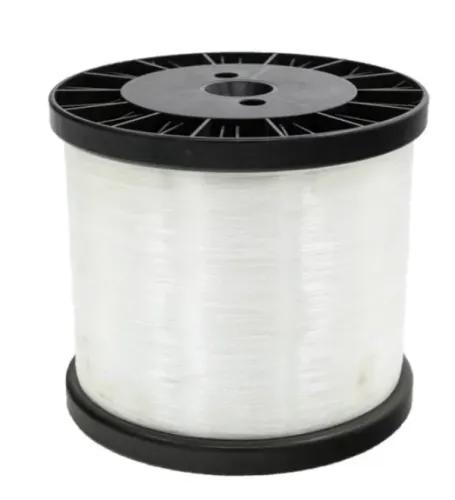
PP monofilament yarn generally provides a more defined, uniform strand. This makes it relevant for mesh, netting, technical fabrics, filtration-related products and other applications where individual filament structure matters.
Typical considerations include:
- Filament diameter
- Tensile requirements
- Elongation
- Flexibility
- Surface characteristics
- Weaving or knitting compatibility
- Exposure conditions
- Finished-product design
Multifilament yarn tends to offer a different feel and flexibility because several fine filaments form the yarn. It may therefore be preferred for products where softer handling or a more flexible yarn construction is required.
Neither construction is universally better.
For example, a mesh manufacturer may require controlled monofilament diameter to achieve a particular opening or structure. A rope, cord or technical textile producer may instead require multifilament construction because of the characteristics needed in the finished product.
Polypropylene itself provides several practical advantages. It is lightweight and has low moisture absorption, making PP yarn relevant to numerous industrial applications. However, polymer selection should still account for operating conditions and required performance.
Manufacturers in Mumbai and elsewhere in Maharashtra also need to consider production efficiency. Yarn that does not match machinery or process requirements may create avoidable interruptions, inconsistent output or unnecessary material waste.
Before ordering, buyers can establish a specification covering factors such as:
- Required yarn construction
- Diameter or size
- Strength requirements
- Colour, where applicable
- Intended processing method
- Finished-product application
- Environmental exposure
- Required order quantity
This approach gives suppliers more useful information than simply requesting 'PP yarn.'
Asdos Industries manufactures monofilament and twine products for industrial applications. For buyers comparing polypropylene options, clearly communicating the application and processing requirements can help identify a more appropriate product specification.
For businesses operating in Mumbai's diverse manufacturing environment, the distinction between monofilament and multifilament yarn is therefore more than a technical detail. It affects production behaviour and finished-product characteristics. Selecting PP monofilament yarn should begin with the application, followed by the physical and processing requirements the yarn needs to satisfy.