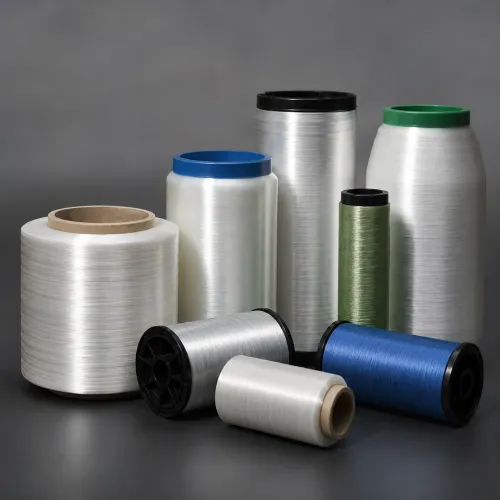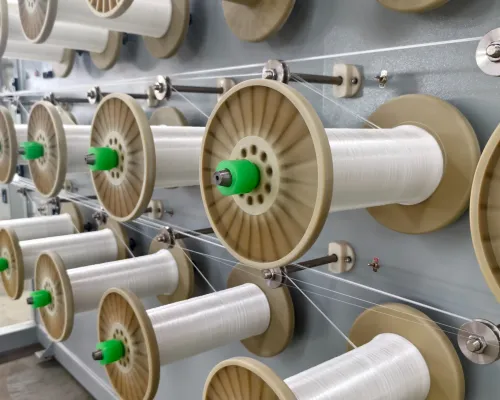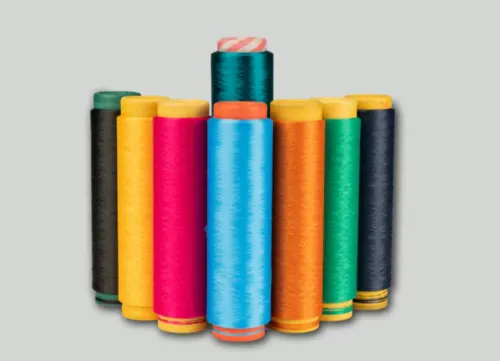

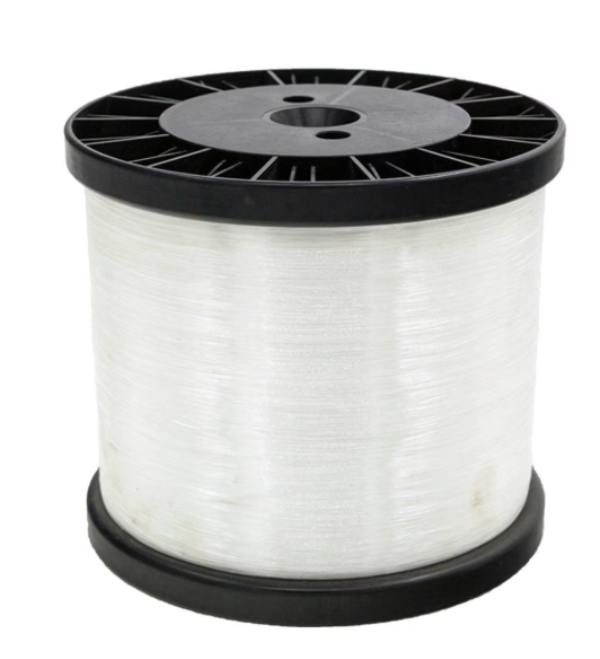
Manufacturers that depend on synthetic yarn and twine need more than occasional product availability. Delayed deliveries, inconsistent specifications and unsuitable packaging can interrupt production even when the base material appears acceptable.
Asdos Industries manufactures HDPE and PP monofilament yarn, nylon, PET and PBT monofilament yarn, HDPE twine, polyester multifilament twine, nylon multifilament twine and PP multifilament twine. Businesses planning long-term procurement should evaluate whether a manufacturer can support both technical requirements and recurring supply volumes.
Confirm the Manufacturer’s Product Capability
A broad product range is useful when the buyer operates multiple lines, but each product should still be assessed separately. Monofilament yarn and multifilament twine have different structures and processing requirements.
Monofilament products consist of a single continuous strand and may be selected for mesh, screens, filtration fabrics and other technical products. Multifilament twine combines numerous fine filaments to create a softer, more flexible construction suitable for nets, braids, stitching, packaging and cordage.
Ask whether the manufacturer can supply the required:
- Polymer
- Diameter or linear density
- Ply construction
- Strength
- Elongation
- Twist
- Colour
- Surface finish
- Spool or package format
The supplier should recommend a material only after understanding the end use and operating conditions.
Choosing a Synthetic Yarn and Twine Manufacturer in Mumbai
Mumbai buyers benefit from supply arrangements that account for local production schedules, storage limitations and transportation requirements. Long-term readiness should be evaluated using technical, commercial and logistical criteria.
Key questions include:
- Can written specifications be agreed upon?
- Are samples available for production trials?
- How is batch consistency monitored?
- Can the required package size be supplied regularly?
- What is the standard manufacturing lead time?
- How are urgent or revised requirements handled?
- Can monthly or quarterly demand forecasts be accommodated?
- What information is needed to investigate a complaint?
- Are packages protected appropriately during dispatch?
- Can multiple yarn and twine requirements be coordinated?
A manufacturer should give realistic commitments rather than relying on uncertain dispatch estimates. Buyers should also communicate forecasts early, particularly for custom colours, sizes or constructions.
Establish an Approval Process
Long-term procurement becomes more reliable when both parties follow a documented approval process. Begin with a detailed enquiry, review the proposed specification and obtain a representative sample.
Conduct trials under regular production conditions. Check the product for:
- Smooth unwinding
- Tension stability
- Breakage
- Knot or twist performance
- Finished-product dimensions
- Colour consistency
- Waste generation
- Output per package
Once the product is accepted, preserve an approved sample and record the final technical parameters. Future deliveries can then be evaluated against a defined reference.
Calculate Supply Value Beyond Unit Price
Unit price is only one part of procurement cost. Production interruptions, excess joints, rejected fabric and frequent operator intervention can make a cheaper yarn more expensive to use.
A long-term assessment should consider:
- Usable production output
- Material waste
- Machine downtime
- Labour intervention
- Rejection percentage
- Order lead time
- Batch consistency
- Packaging efficiency
Consolidating compatible requirements with one capable manufacturer may also simplify order planning and communication. However, every material and construction should retain its own approved specification.
Prepare Before Requesting a Quotation
A complete enquiry helps the manufacturer respond accurately. Include the product name, end use, technical specification, colour, package preference, trial quantity, monthly volume and delivery location.
For custom requirements, provide information about the machinery and expected operating environment. Photographs or samples of the current yarn and finished product may support more precise evaluation.
To develop a dependable supply plan for synthetic yarn and twine in Mumbai, contact Asdos Industries with your complete product list and monthly consumption. Request application-specific samples, conduct production trials and establish approved specifications before beginning recurring procurement.