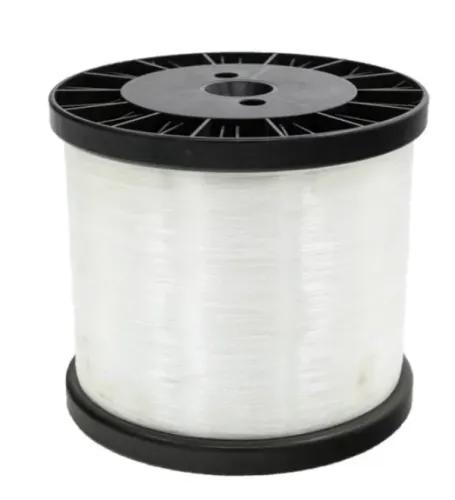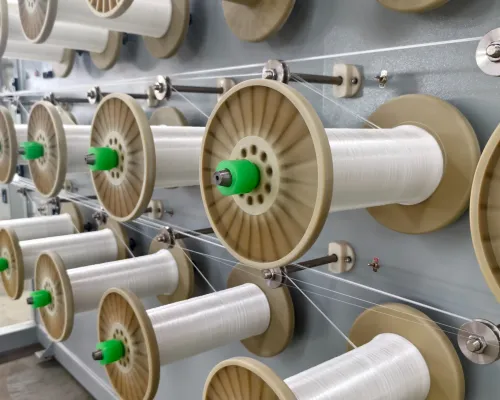
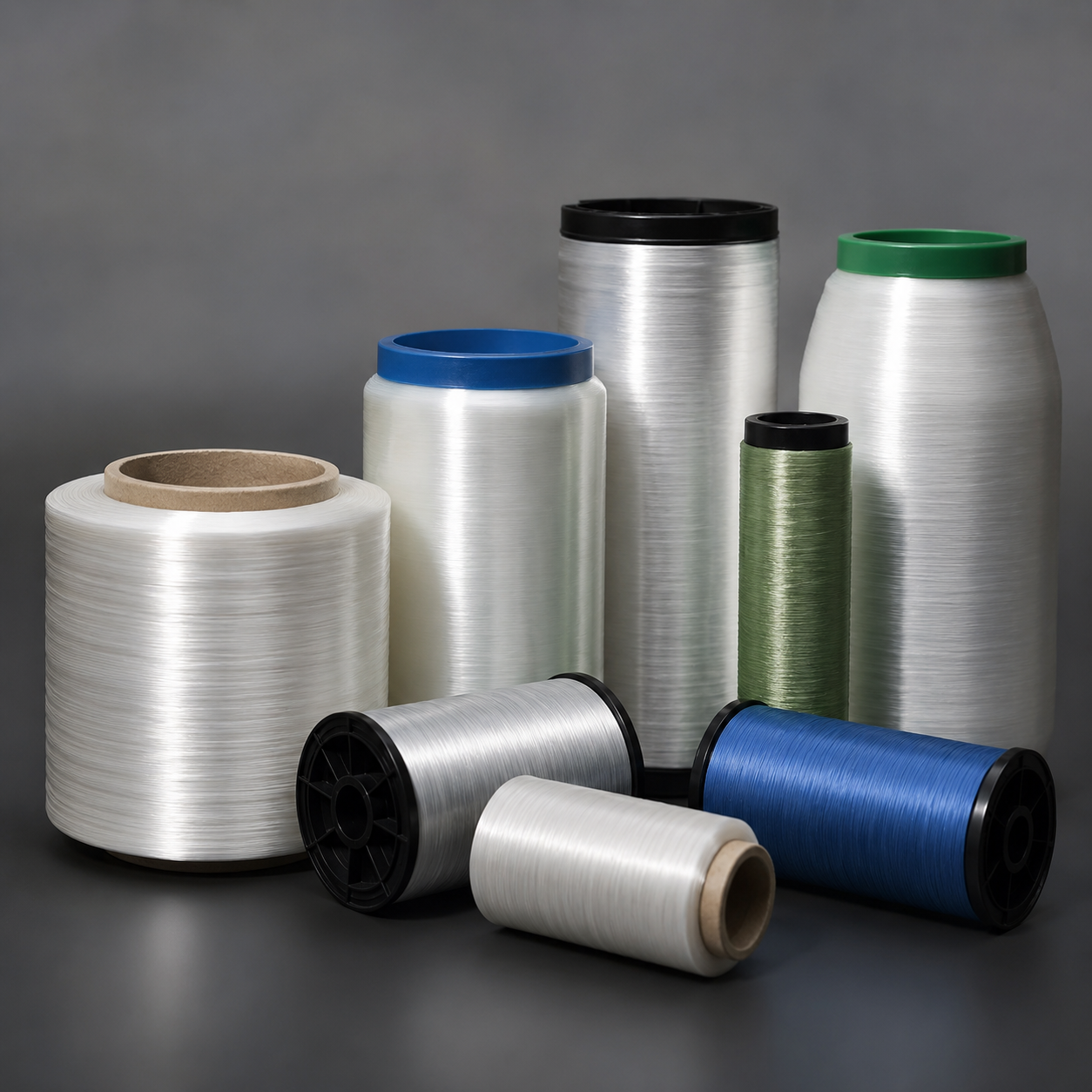
Standard monofilament yarn can support many routine applications. However, manufacturers sometimes continue using a readily available product even after their machinery, customer requirements or finished-product design has changed. This mismatch can cause recurring breakage, inconsistent mesh, excessive waste or difficulty meeting quality expectations.
Asdos Industries manufactures HDPE, PP, nylon, PET and PBT monofilament yarn for varied applications. A custom or application-aligned specification becomes worth considering when production performance cannot be controlled through ordinary machine adjustments.
Repeated Variation in the Finished Product
Uneven mesh openings, irregular fabric appearance or dimensional changes can indicate that the current yarn specification is too broad. Diameter variation may alter the way the yarn passes through guides and interacts with adjacent strands.
Before changing materials, confirm that the machinery is correctly maintained and calibrated. If the equipment is functioning properly but variation continues across multiple packages, the yarn tolerance may need to be more clearly defined.
A custom specification can establish requirements for:
- Filament diameter
- Diameter tolerance
- Breaking strength
- Elongation
- Shrinkage
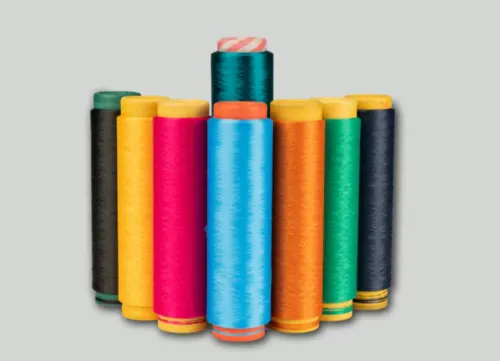
- Colour
- Surface finish
- Package construction
These parameters create a measurable reference for production and incoming inspection.
Custom Monofilament Yarn Requirements in Mumbai
Manufacturers in Mumbai may need application-specific yarn for technical textiles, filtration fabrics, netting, screens, brushes and specialised woven products. A custom specification is especially relevant when the finished product must perform under defined mechanical or environmental conditions.
Your business may be ready for a customised product if:
- Standard yarn breaks frequently at normal machine settings.
- Customer-approved dimensions are difficult to maintain.
- The existing spool does not fit the production setup efficiently.
- A particular colour must remain consistent between batches.
- Outdoor exposure requires suitable stabilisation.
- The product operates in a wet, abrasive or chemically exposed environment.
- Production volumes justify repeat manufacturing.
- A new machine requires different winding or tension characteristics.
The correct polymer must also be reviewed. HDPE and PP offer lightweight, low-moisture options for many mesh and netting products. Nylon may be considered for toughness and flexibility, while PET can support applications prioritising dimensional stability. PBT offers a different balance of resilience and recovery for selected technical uses.
Information Needed for Product Development
A request for “better quality yarn” is too subjective for technical development. Manufacturers should describe the observed problem and define the expected result.
Useful information includes:
- Existing yarn specification
- Current supplier sample
- End-product description
- Machine type and operating speed
- Normal tension settings
- Nature and frequency of breakage
- Required product dimensions
- Environmental exposure
- Monthly consumption
- Applicable test methods
A sample of the finished fabric, mesh or component can also help explain how the yarn is expected to behave.
Testing Before Commercial Approval
A newly developed yarn should pass both laboratory and production-level evaluation. Laboratory results can confirm properties such as diameter, tensile strength and elongation, while a machine trial shows how the product performs in practice.
Run the trial under standard production conditions and record output, breaks, waste and finished-product dimensions. If adjustments are necessary, document each revised setting so the final approval is based on repeatable conditions.
Once approved, retain a reference sample and written specification. This helps the buyer and manufacturer evaluate subsequent batches against the same criteria.
Customisation is most effective when the problem is clearly measured and expected volumes support consistent production planning. It should solve a defined operational requirement rather than merely change the product label.
If your existing monofilament yarn is limiting output or product consistency, discuss the application with Asdos Industries. Share your polymer preference, technical parameters, processing conditions and monthly requirement to begin sample development for your Mumbai manufacturing facility.