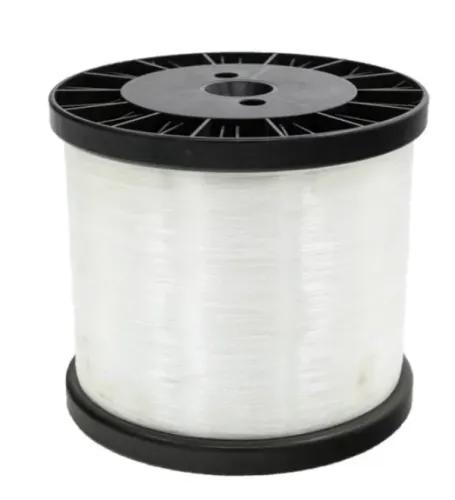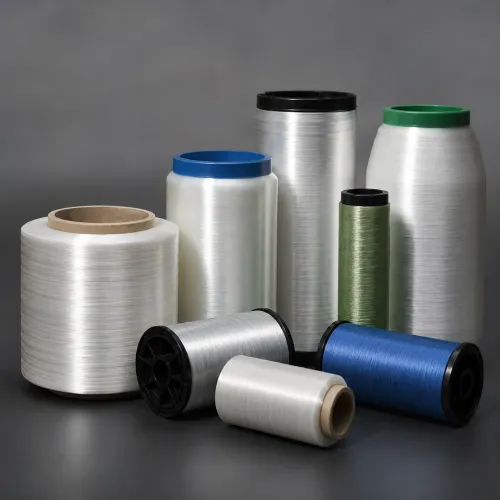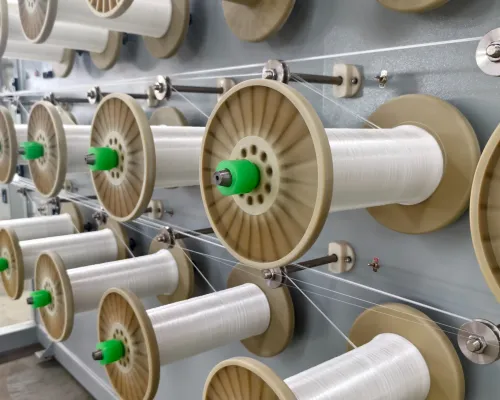
HDPE monofilament yarn is widely used in industrial and commercial applications where strength, low moisture absorption and consistent filament construction are important. Unlike multifilament yarn, which consists of multiple fine filaments grouped together, monofilament yarn is produced as a single continuous strand. This gives it distinct handling, processing and performance characteristics.
For manufacturers and industrial buyers in Mumbai, Maharashtra, understanding these characteristics can make material selection easier, particularly when yarn performance directly affects the quality of a finished net, mesh, woven product or technical textile.
One of the key characteristics of HDPE monofilament yarn is its resistance to moisture. High-density polyethylene does not readily absorb water, making the material relevant for applications exposed to humid or wet environments. This can be particularly useful in coastal regions such as Mumbai, where environmental conditions may influence material selection.
Other useful characteristics can include:
- Good strength-to-weight performance
- Low moisture absorption
- Resistance to many commonly encountered chemicals
- Lightweight construction
- Suitability for weaving, netting and related processing
- Availability in different diameters and specifications
- Practical durability for appropriate outdoor and industrial applications
HDPE monofilament yarn can be considered for products such as agricultural nets, fishing-related netting, protective mesh, filtration products, industrial fabrics and other woven or knitted structures. The exact application depends on filament diameter, tensile properties, processing conditions and the specifications of the finished product.
Diameter consistency deserves particular attention. Variations in filament thickness can influence processing behaviour, fabric appearance and the performance of the final product. Industrial buyers should therefore evaluate more than simply the polymer type when comparing yarn.
The intended manufacturing process is equally important. A yarn suitable for one weaving or netting setup may not automatically be the appropriate choice for another. Machine compatibility, required strength, flexibility, elongation and end-product conditions should be considered together.
Mumbai has a substantial network of textile processors, packaging businesses, engineering companies and industrial buyers serving markets throughout Maharashtra and other regions. For these businesses, reliable material specifications can help maintain production consistency across repeat orders.
Storage and handling should also be considered. Keeping yarn in suitable conditions and protecting it from unnecessary contamination or physical damage helps preserve its usability before processing.
Asdos Industries manufactures yarn and twine products for different industrial requirements. Buyers evaluating HDPE monofilament materials can discuss the intended application, required dimensions, processing method and performance expectations before finalising specifications.
Choosing HDPE monofilament yarn is ultimately an application-specific decision. Understanding how diameter, strength, moisture behaviour, processing compatibility and end-use conditions interact allows manufacturers to select material based on practical production requirements rather than relying on a generic yarn specification.