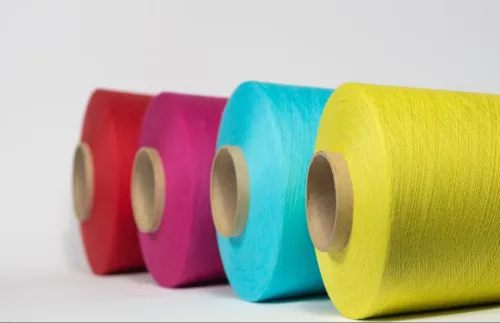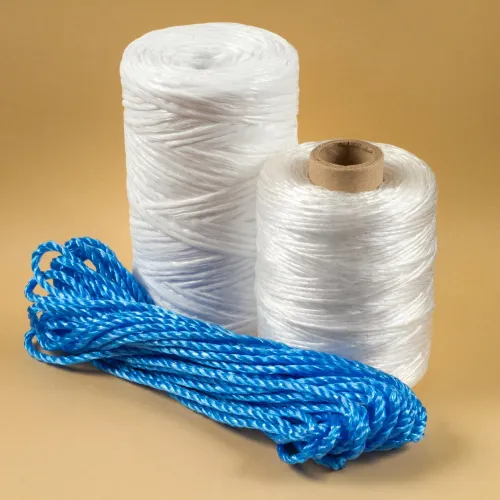
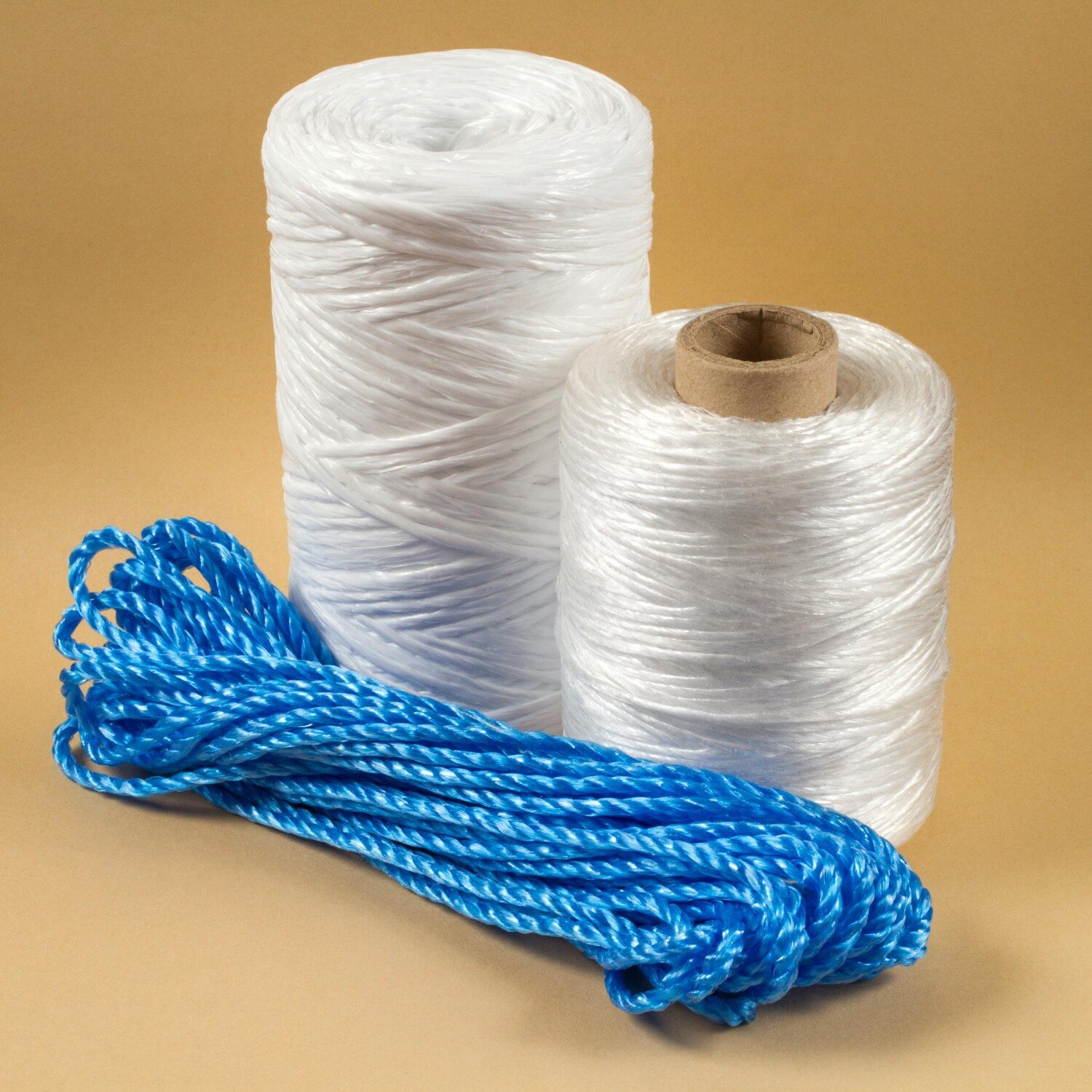
Replacing HDPE twine with nylon multifilament twine changes stretch, wet weight, knot performance, buoyancy and package handling, so a lower quoted price or matching diameter does not prove equivalence. You will be able to define the right specification, compare Mumbai supply routes, test samples and place an order without confusing multifilament twine with nylon monofilament.
Key takeaways
- Choose nylon for shock absorption, knots, snags and softer load handling.
- Request twine size, construction, breaking load, elongation and netting specifications.
- Compare Mumbai suppliers using samples, test records, lead times and replacement terms.
- Record batch, colour, packing, tolerances and test results in every purchase order.
When is nylon the better choice than HDPE twine?
Choose nylon multifilament twine when moving fishing loads, snags or knots demand shock absorption and a softer, tighter-conforming material. Its higher elongation and recovery reduce sudden peak loads, but can create sag and less precise net dimensions.
| Material | Nylon multifilament twine | HDPE twine |
|---|---|---|
| Straight breaking force | Compare by tex or denier, not diameter alone | Often differs because density and construction differ |
| Knotted force | Knot conformity can improve security, but test the actual knot | Lower stretch can leave knots less conforming |
| Elongation and recovery | Higher stretch; better shock absorption and recovery | Lower stretch; better dimensional stability |
| Abrasion and UV | Good performance depends on grade, finish and exposure; verify UV data | Strong abrasion performance and floating behaviour; verify UV data |
| Water and handling | Absorbs water, changes mass between dry and wet states, and needs drying | Very low moisture uptake; simpler wet handling |
| Softness and service life | Softer hand; life depends on wet, abrasion and UV conditions | Firmer hand; life depends heavily on UV and abrasion |
Do not assume nylon is stronger at the same diameter. Compare straight and knotted breaking force, elongation at a defined load, abrasion cycles and wet-versus-dry results against the actual net or knot construction; expected service life follows that real use, not nominal size.
Choose nylon for net making, fishnet repair, hauling or industrial textile work when shock absorption matters. Choose HDPE for bundling or packaging when buoyancy, low stretch and minimal maintenance are essential; nylon is the wrong choice there when moisture control matters. HDPE is the wrong choice when softness, knot conformity or shock absorption matters.
What specification should you request for nylon fishnet twine?
A comparable quotation starts with measurable construction, not “fishnet twine.” For nylon fishnet twine in Mumbai, send the supplier this numbered brief:
1. State the nylon polymer grade; total denier or tex; filament count or construction; number of plies; approximate diameter; twist direction; and whether the twine is twisted, braided or bonded.
2. Define performance: breaking force, elongation at a defined load, colour, pigment uniformity, colourfastness, UV requirement, net weight, nominal running length, and package type—reel, cop, cone or ball. Request dry or wet values and the breaking-load test method; wet nylon and dry nylon cannot be compared directly with HDPE.
3. Tie the specification to mesh size, knot type, working load, abrasion exposure and fishing conditions. Net-making yarn may need machine-compatible winding and twist; repair twine may need a hand-feed package and a different diameter.
4. State the intended process and reject generic substitutions. “Fishnet twine” does not prove nylon, multifilament construction or knot compatibility, while nylon multifilament is not automatically stronger at the same diameter. Ask for results on the actual knot or net construction, not diameter alone.
Where can you compare Mumbai manufacturers, wholesalers and distributors?
Compare the buying route before you travel or request a quotation. A manufacturer controls yarn assembly and twisting or braiding; a wholesaler buys finished twine in volume; a distributor offers faster local access but less control over custom construction and repeat batches.
| Source | What it controls | Best fit |
|---|---|---|
| Manufacturer | Assembly, twisting or braiding, construction changes and batch records | Custom specifications and repeat production |
| Wholesaler | Stock purchased in volume, package choices and consolidated supply | Standard twine at wholesale quantities |
| Distributor | Local inventory and delivery speed | Urgent purchases with limited customisation |
For a search such as “nylon multifilament twine supplier hdpe twine in mumbai,” confirm that the product is multifilament, not nylon monofilament. Request a representative production sample before discussing price, then ask:
- Is the yarn extruded or assembled, and are twisting or braiding operations done in-house?
- What are the minimum order quantity, sample-approval process, lead time and repeat-batch tolerance?
- Can you supply custom colours, reels, cops, cones or balls, with stated net weight and running length?
- What packaging protects the twine, and what splice policy applies?
- Do you deliver across Mumbai and Maharashtra?
A search for “nylon twine manufacturer in mumbai” can return net sellers or monofilament producers, so verify the construction on the sample and documents. Include Asdos Industries as one comparison source only when its available construction, sample and documentation match your specification; obtain side-by-side quotations from the other two source types.
Related product
 | TWINE Nylon Multifilament Fishnet Twine Nylon multifilament fishnet twine is a versatile material used in various fishing and industrial applications. View product → |
How should you inspect and test a sample before ordering?
Approve a sample only when it is consistent through the package and performs in a controlled comparison, not because its nominal diameter matches HDPE twine.
1. Inspect several points along the reel, cone or ball. Look for diameter variation, loose filaments, uneven twist, hard spots, visible knots, colour variation and damaged fibres. Reject winding that forms loose layers or causes snagging during feeding.
2. Check the package itself. Confirm even winding, net weight or stated length, and a legible label showing polymer, twine size, ply, lot or batch number, manufacturing date where supplied, and storage conditions. Record whether the sample is dry, conditioned or wet before weighing or testing; moisture changes nylon’s mass and performance.
3. Run a side-by-side trial using equal lengths and the same construction. Record straight breaking force, wet breaking force, elongation at a defined load, knot or net-panel strength, abrasion cycles, float or sink behaviour, and package-running performance.
Compare breaking force against linear density as well as diameter, because nylon multifilament is not automatically stronger than HDPE at the same diameter.
4. Test the actual knot used for fishing or repair. Knot efficiency can reduce strength sharply versus a straight pull, and the reduction changes with knot type, twist and wet condition.
5. Ask for the supplier’s test method and acceptance tolerance. Keep those results with the approved sample so future lots are judged against measured limits rather than a nominal diameter alone.
What should the purchase order and repeat-order check contain?
A suitable trial becomes an inconsistent production order when the purchase order says only “nylon fishnet twine in Mumbai.” Give the nylon twine manufacturer in Mumbai an approved sample reference and measurable construction instead.
- State polymer grade; total denier or tex; ply; approximate diameter; twist direction; twisted, braided or bonded construction; colour; and colourfastness or UV requirement.
- Record the breaking-load test method, elongation condition, package format, net weight or nominal running length, batch identification, and manufacturing date where supplied.
- Name the intended use: net making, fishnet repair, hauling, bundling, packaging, or industrial textile work. This prevents general tying cord replacing machine-feed or knotting yarn.
- Confirm minimum order quantity, sample approval status, lead time, repeat-batch tolerance, custom-colour process, splice policy, winding protection, and delivery destination in Mumbai or elsewhere in Maharashtra.
| Repeat-order check | Compare against the approved sample | Reject or hold when |
|---|---|---|
| Package | Reel, cone, cop or ball; winding, weight and length | Winding is damaged or quantity differs |
| Material and construction | Polymer, denier or tex, ply, diameter and twist | The label does not match |
| Condition | Dry, sealed and contamination-free | Moisture exposure is visible |
Ask how unopened reels must be stored away from heat, direct sunlight, moisture and contamination. Agree on the remedy for damaged winding, moisture exposure or label mismatch. Keep a physical approved sample and compare every incoming batch before production release.
Frequently asked questions
When is nylon multifilament twine better than HDPE twine?
Choose nylon when fishing loads, snags or knots require shock absorption and a softer material that conforms tightly. Account for higher elongation, recovery, sag and less precise net dimensions.
What specification should you request for nylon fishnet twine?
Request the twine material, nominal size, multifilament construction, colour, breaking load, elongation, netting use, knot type, mesh dimensions and packing unit. Ask the supplier to state test methods and tolerances.
Where can you compare nylon twine suppliers in Mumbai?
Compare nylon multifilament twine manufacturers, wholesalers and distributors by matching like-for-like samples and specifications. Check stock, minimum order quantity, lead time, delivery terms, batch traceability and complaint handling.
How should you inspect and test a nylon twine sample?
Check diameter or size consistency, filament separation, fuzz, colour uniformity, winding, knots and contamination. Test breaking load, elongation and knot strength using the same method and sample length for each supplier.
What should a nylon twine purchase order contain?
State material, construction, size, colour, breaking-load requirement, elongation limits, packing, quantity, delivery date, batch documents, inspection rights and rejection terms. Repeat the checks against the approved sample and previous batch.
Keywords