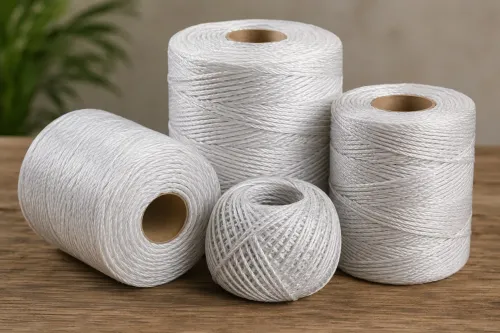
Businesses with recurring HDPE twine requirements need more from a manufacturer than a one-time quotation. Regular industrial procurement depends on specification consistency, clear communication, production planning and a shared understanding of how the twine will be used.
The selection process should begin by defining the requirement internally.
Instead of requesting 'HDPE twine' alone, purchasing teams should record the intended application, size, construction, performance expectations, colour if applicable and approximate consumption. These details help manufacturers determine whether their available production specifications align with the requirement.
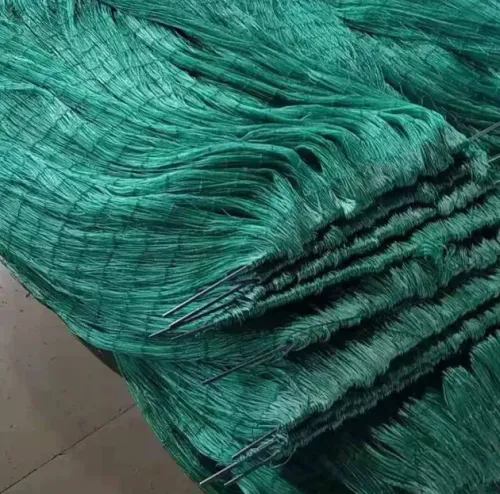
The end use should also be communicated. HDPE twine may be considered for netting, agricultural applications, packaging, fishing-related products and various industrial uses. Each application can place different demands on the material.
When evaluating a manufacturer, consider whether the supplier asks relevant questions about:
- Twine size and construction
- Intended application
- Required mechanical performance
- Environmental exposure
- Quantity per order
- Packaging expectations
- Delivery schedule
- Repeat consumption
These questions indicate whether the requirement is being evaluated in context.
Consistency is particularly important for businesses that integrate twine into another manufactured product. Unplanned variations in size or physical behaviour can affect downstream operations. Procurement teams can therefore define an approved specification and reference it on repeat orders.
For Mumbai businesses, supply planning can be another important consideration. Manufacturing activity in Maharashtra serves local, national and export-oriented markets, and raw-material delays can affect production commitments. Regular buyers can improve planning by communicating anticipated consumption rather than treating every requirement as an isolated purchase.
Testing is useful when introducing a new supplier. A sample or trial requirement allows the material to be evaluated in the actual process before larger purchasing commitments are made. Buyers can examine handling, machine compatibility where relevant, and finished-product characteristics.
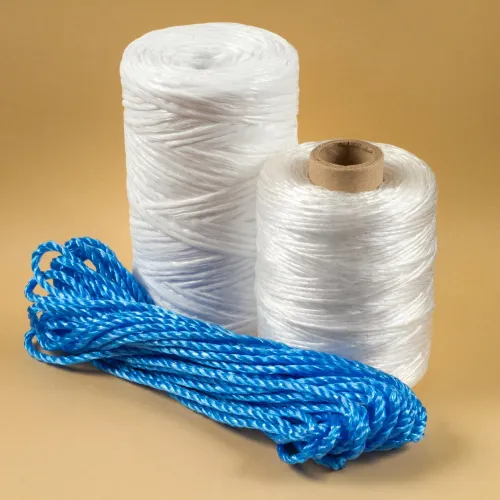
Asdos Industries manufactures HDPE twine along with monofilament and multifilament products for industrial requirements. Businesses in Mumbai can provide technical and volume details when assessing the company for regular supply.
Commercial terms should be compared only after the technical requirement has been aligned. A lower price for a different specification is not a genuine like-for-like comparison.
Buyers should also consider whether their demand is stable, seasonal or project-based. Sharing realistic purchasing patterns can make production and inventory discussions more practical for both sides.
A dependable HDPE twine manufacturer should ultimately fit the buyer's technical and operational requirements. Clear specifications, repeatability, application understanding and supply coordination are strong readiness indicators for businesses that require more than an occasional purchase.
Keywords