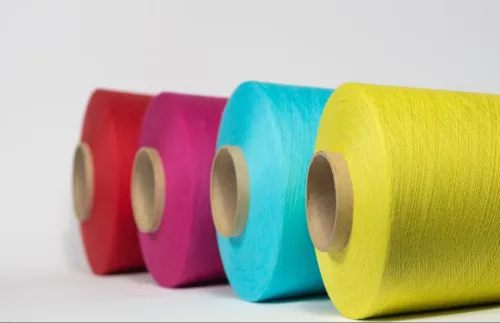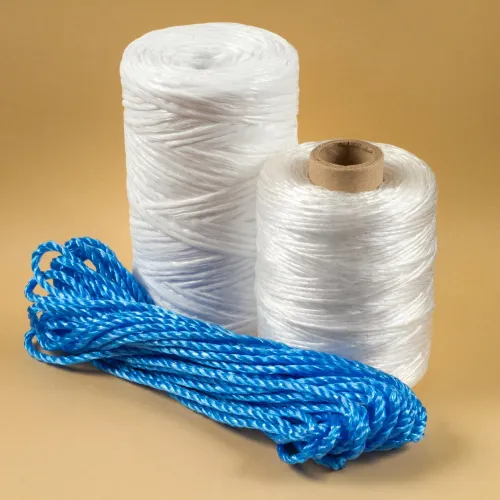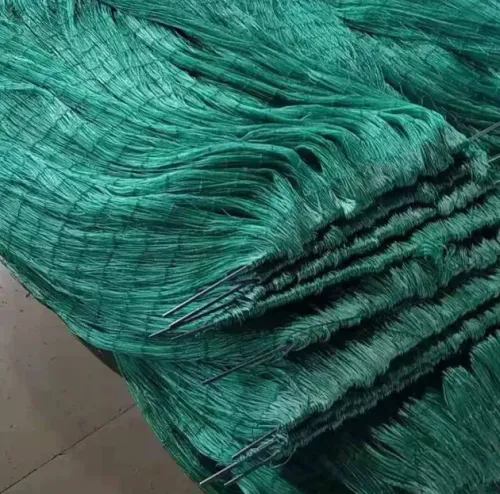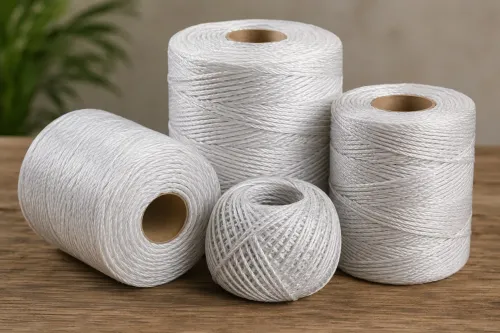
Manufacturers purchasing PP monofilament yarn in Mumbai often need to balance technical suitability, production consistency, supply requirements and commercial considerations. A structured buying process makes it easier to compare suppliers on factors that actually affect manufacturing rather than relying on price or a generic product description.
Begin with the finished application.
PP monofilament yarn may be used in mesh, netting, filtration-related products, technical textiles and other industrial products. Each application can require a different combination of filament dimensions, strength, flexibility and processing characteristics.
The next step is to define the technical specification. Depending on the application, buyers may need to identify filament diameter, dimensional tolerance, tensile characteristics, elongation, colour and other relevant parameters.
Production compatibility should be discussed before volume procurement. The yarn needs to work with the machinery and process conditions in which it will be used. A material that appears suitable on paper may not necessarily deliver the expected processing behaviour.
A practical supplier enquiry can include:
- Product application
- Polypropylene monofilament requirement
- Required filament size
- Performance requirements
- Colour, if applicable
- Processing method
- Approximate quantity
- Packaging requirement
- Repeat-order frequency
- Any existing approved specification
This level of information allows a manufacturer to discuss a relevant product rather than starting with an undefined request.
Consistency is particularly important for repeat production. Mumbai manufacturers supplying customers across Maharashtra and other Indian markets may need to maintain finished-product specifications across multiple batches. Changes in raw-material characteristics can complicate that objective.
Lead time and supply planning should therefore be considered alongside technical parameters. Businesses with recurring consumption can estimate their requirements in advance and communicate them to the manufacturer. This can help procurement teams organise purchasing around production schedules rather than reacting only when stock becomes low.
Quality evaluation is another important stage. Where practical, a buyer introducing a new yarn can assess samples or a trial quantity under actual manufacturing conditions. This provides direct information about machine handling and finished-product results.
Asdos Industries manufactures PP monofilament yarn and related synthetic yarn and twine products. Industrial buyers in Mumbai can provide application and specification details when discussing regular or volume sourcing requirements.
Commercial comparison should take place after equivalent specifications have been established. Comparing quotations for products with different dimensions or performance characteristics can give an inaccurate picture of actual value.
A reliable PP monofilament yarn purchasing decision therefore combines technical suitability, repeatability, production compatibility and supply planning. For Mumbai manufacturers, defining these factors at the enquiry stage can make supplier evaluation more efficient and support greater consistency once the material enters regular production
Keywords