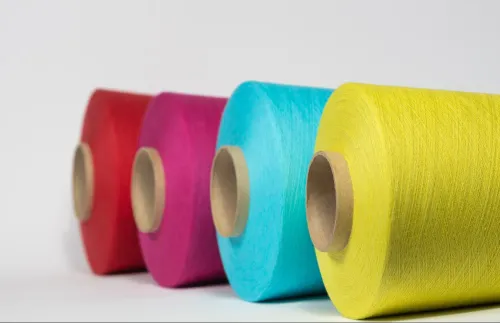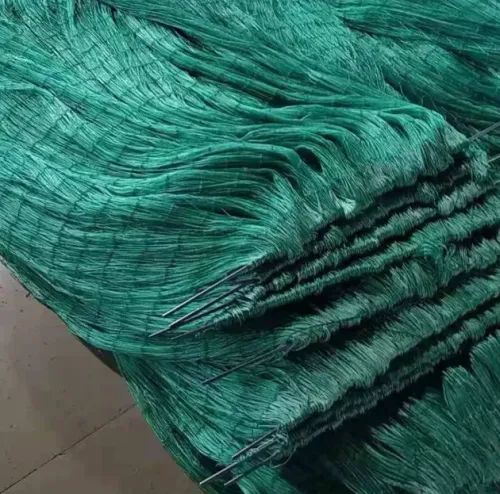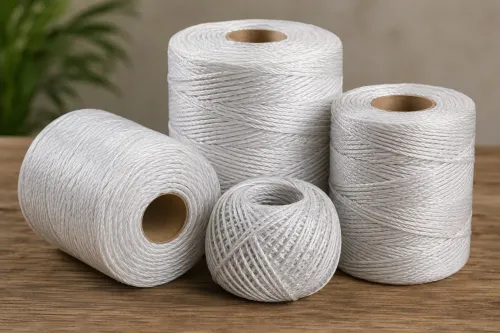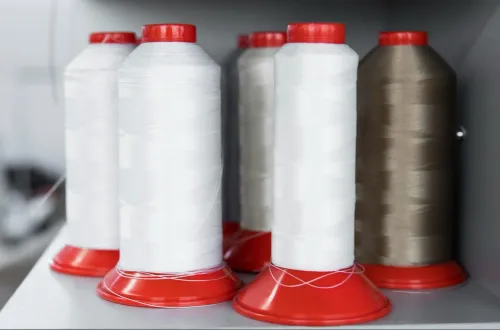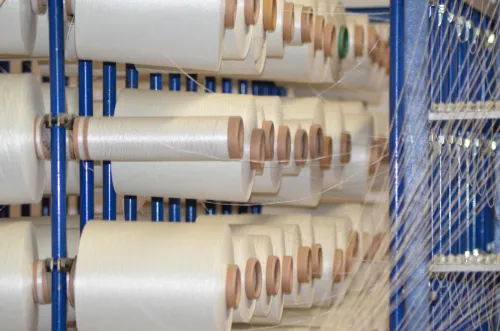
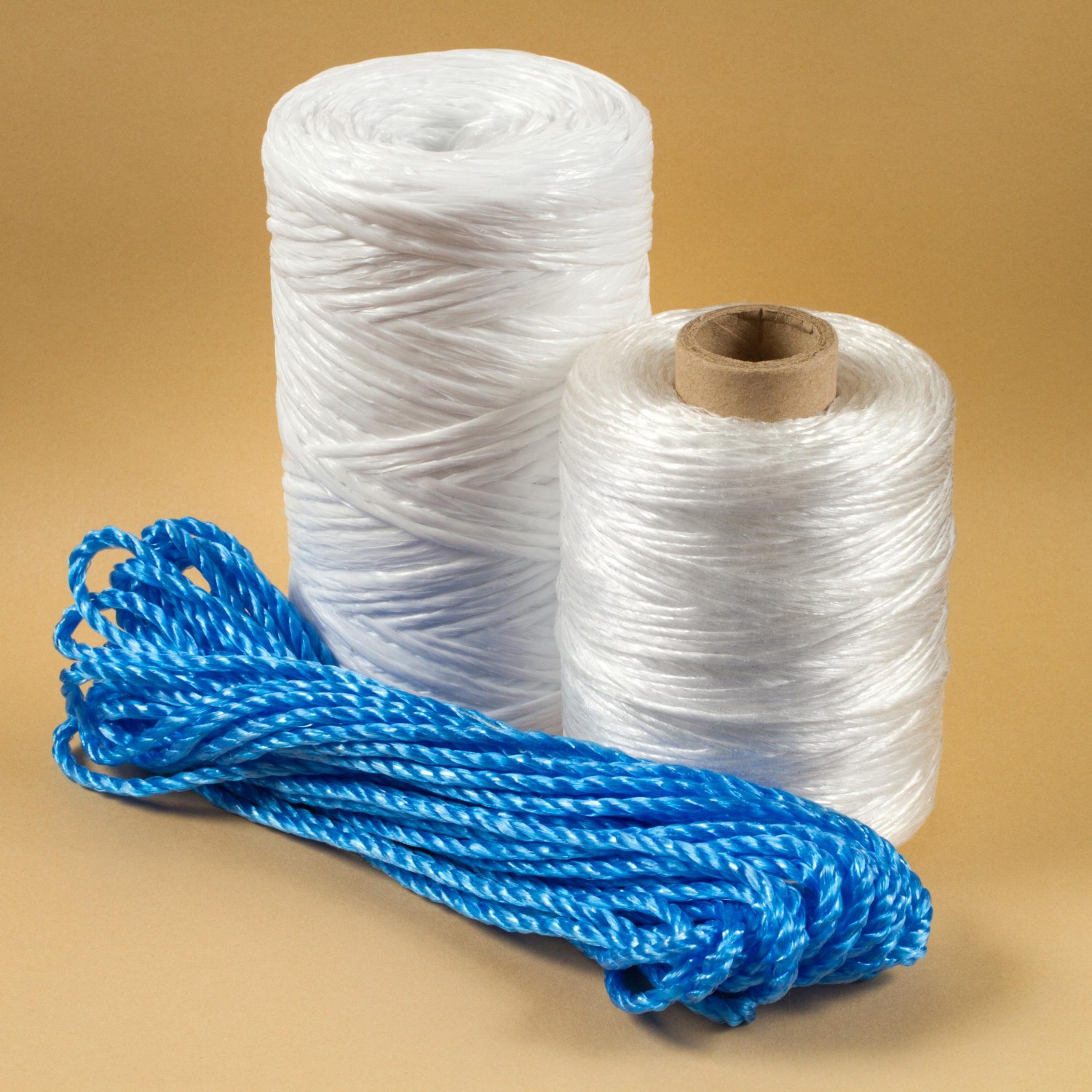
Selecting PP multifilament twine can appear straightforward until variations in construction, size or performance begin affecting production. Polypropylene multifilament products are used across different industrial applications, but buying without a clearly defined specification can lead to inconsistent results.
One common mistake is selecting twine only by price.
Purchase cost matters, particularly for volume requirements, but the cheapest product is not necessarily the most economical once processing efficiency and product consistency are considered. Buyers should compare equivalent specifications before comparing commercial terms.
Another mistake is assuming all polypropylene twine behaves the same way. PP multifilament twine consists of multiple polypropylene filaments, but differences in construction can influence handling and performance.
Industrial buyers should verify the actual specification rather than relying on a broad product description.
Ignoring machine compatibility is another avoidable issue. If the twine is used in a manufacturing process, its dimensions and handling characteristics need to suit the equipment. Unexpected variation can affect feeding, tension or production consistency.
Buyers should also avoid overlooking end-use conditions. Consider questions such as:
- Will the product be exposed to moisture?
- Is it used indoors or outdoors?
- What mechanical load is expected?
- Is flexibility important?
- Will abrasion occur during use?
- Are there specific dimensional requirements?
- Does the final product have a defined service environment?
Polypropylene has low moisture absorption and a relatively low density, characteristics that make it useful for many applications. However, these benefits do not eliminate the need to consider the complete operating environment.
Another frequent sourcing problem is failing to document an approved specification. When procurement teams repeatedly describe a product differently, purchasing consistency becomes harder to maintain.
A basic procurement specification can include material, construction, size, colour where required, performance expectations, packaging and order quantity. Businesses placing regular requirements can retain these details for future purchasing.
This is particularly useful for manufacturers in Mumbai and Maharashtra that need materials to support recurring production schedules. Reliable specifications make communication between production, quality and purchasing teams easier.
Asdos Industries manufactures PP multifilament twine and other synthetic yarn and twine products for industrial customers. Providing application and technical requirements at the enquiry stage helps create a more focused discussion around product suitability.
Buyers should also evaluate samples when introducing a new specification into an established process. Actual production conditions can reveal handling characteristics that are difficult to assess from a description alone.
Avoiding these basic purchasing mistakes can make PP multifilament twine sourcing more systematic. Instead of treating twine as a generic commodity, manufacturers can evaluate it as a production input whose construction, consistency and application compatibility contribute directly to the quality and efficiency of the finished product.
Keywords