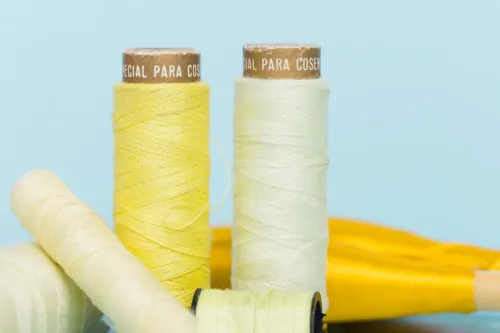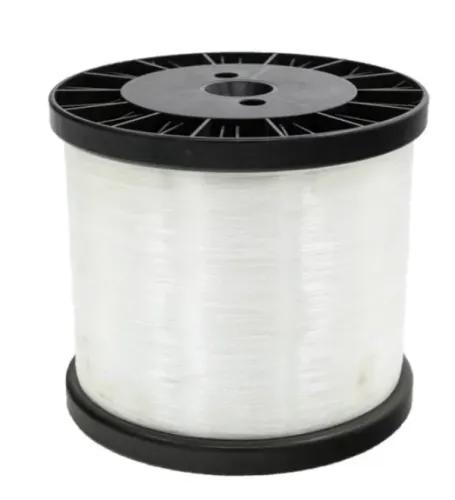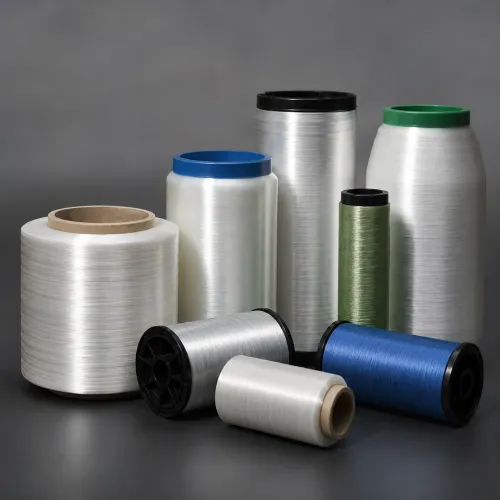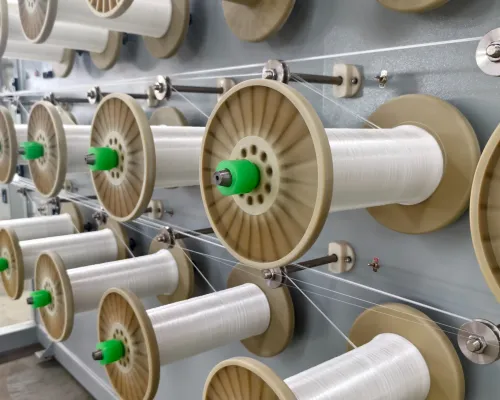

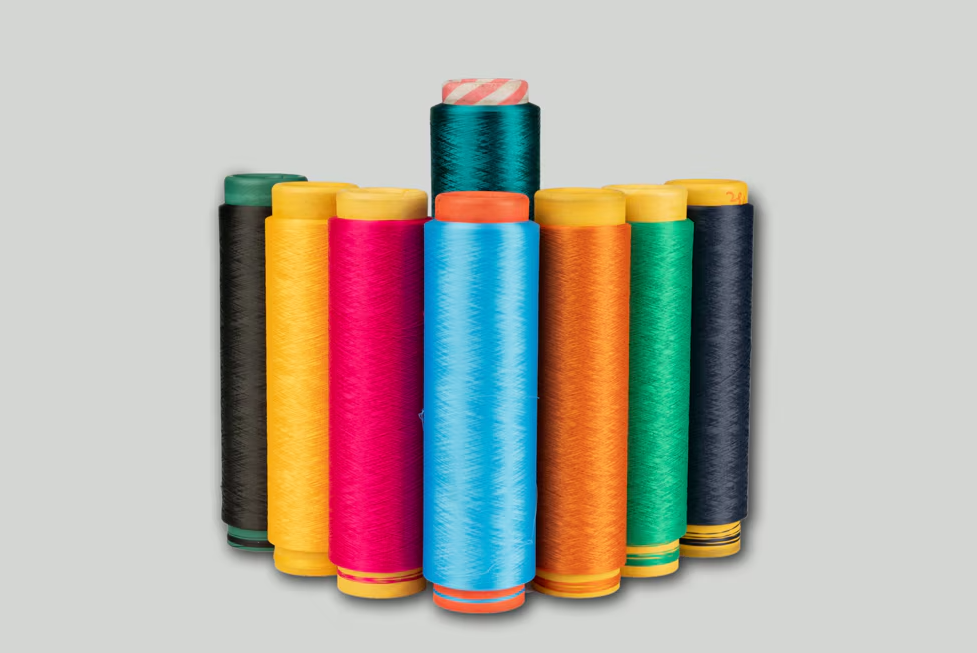
HDPE monofilament yarn is a single-strand synthetic yarn manufactured from high-density polyethylene. Unlike multifilament yarn, which contains several fine filaments twisted or grouped together, monofilament yarn has one continuous strand with a consistent diameter. This construction gives the yarn a useful balance of strength, flexibility, low weight and moisture resistance.
Manufacturers and industrial buyers across Mumbai and Maharashtra use HDPE monofilament yarn to produce woven fabrics, nets, screens, filters, ropes and other technical products. Selecting the correct yarn specification is important because its diameter, tensile strength, colour and finish can directly influence the performance of the finished product.
What Makes HDPE Monofilament Yarn Useful?
HDPE has a relatively high strength-to-weight ratio and does not readily absorb water. These properties make monofilament yarn suitable for applications exposed to moisture, repeated handling or outdoor conditions.
Its primary characteristics include:
- Lightweight construction
- Resistance to moisture and many commonly encountered chemicals
- Uniform strand diameter
- Good tensile performance
- Suitability for weaving, knitting and net fabrication
- Availability in different colours and thicknesses
- Easy cleaning in suitable end-use applications
Actual performance depends on the polymer grade, yarn diameter, additives, production process and operating conditions. Buyers should therefore assess the complete specification rather than selecting a yarn based only on its material name.
Common Industrial Applications
One of the most familiar applications of HDPE monofilament yarn is net manufacturing. It may be used in agricultural nets, protective netting, bird-control nets, fishing-related products and general-purpose mesh structures. The required yarn diameter and mesh design will vary according to the expected load and exposure conditions.
The yarn is also used in woven industrial fabrics. Depending on the construction, these fabrics may support filtration, screening, separation, packaging or protective applications. Consistent yarn thickness is especially important when manufacturers need predictable mesh openings and even fabric appearance.
Other possible applications include:
- Shade and crop-protection products
- Insect and ventilation screens
- Industrial mesh fabrics
- Aquaculture and fishing nets
- Packaging and carrying structures
- Cleaning brushes and technical bristles
- Construction-related protective netting
Not every HDPE yarn is suitable for every application. Products intended for prolonged outdoor use, for example, may require appropriate UV stabilisation. Similarly, food-contact, filtration or specialised industrial applications can have additional compliance and cleanliness requirements.
Important Specifications to Check
Yarn diameter is one of the first specifications buyers should review. A thicker strand may provide greater load-bearing capacity, while a finer yarn may be more appropriate for lightweight fabrics or smaller mesh openings.
Tensile strength and elongation should also be evaluated together. Tensile strength indicates how much pulling force the yarn can withstand, while elongation affects how it behaves when placed under load. Excessive variation in either property can create complications during weaving or final product use.
Additional factors include:
- Denier or diameter tolerance
- Breaking strength
- Elongation percentage
- Colour consistency
- Surface finish
- Winding quality
- Spool or package size
- UV stabilisation requirements
Manufacturers in Mumbai should also consider storage and transport conditions. Yarn packages should be protected from contamination, unnecessary heat exposure and physical damage before processing.
Choosing Yarn for the Intended Product
The right selection begins with the final application. A net manufacturer may prioritise knot performance and tensile consistency, while a fabric producer may focus more closely on diameter tolerance and smooth processing.
Trial production can be valuable before placing a large order. Testing the yarn on the actual weaving, knitting or fabrication equipment allows the manufacturer to evaluate tension behaviour, breakage frequency and finished-product quality.
Asdos Industries manufactures synthetic yarn and twine products for different commercial and industrial requirements. Buyers evaluating HDPE monofilament yarn in Mumbai can achieve better results by sharing the intended application, machinery details, required diameter, colour, strength expectations and operating environment before finalising the specification.