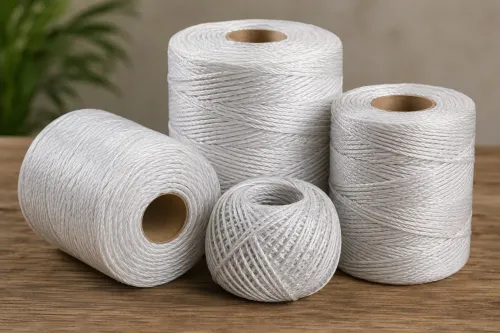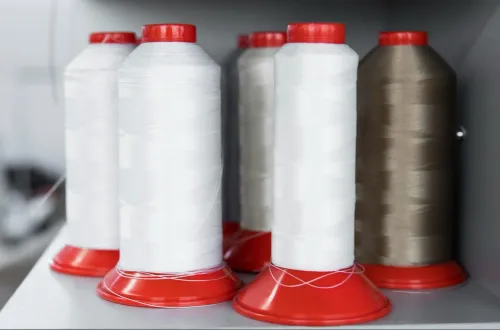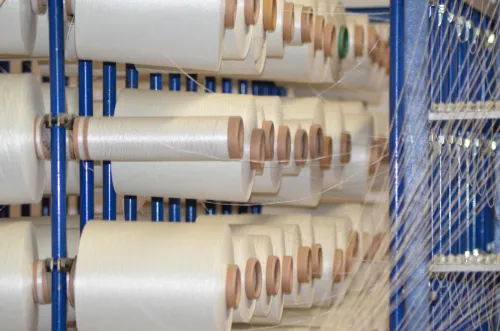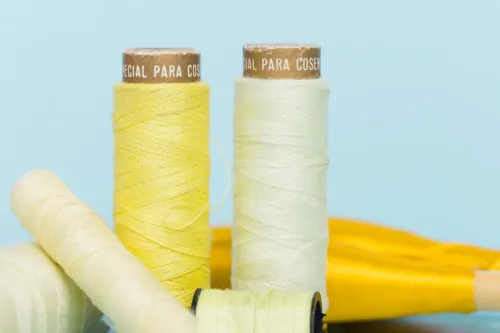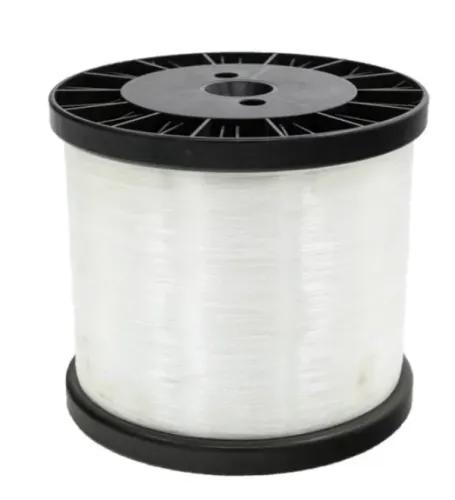
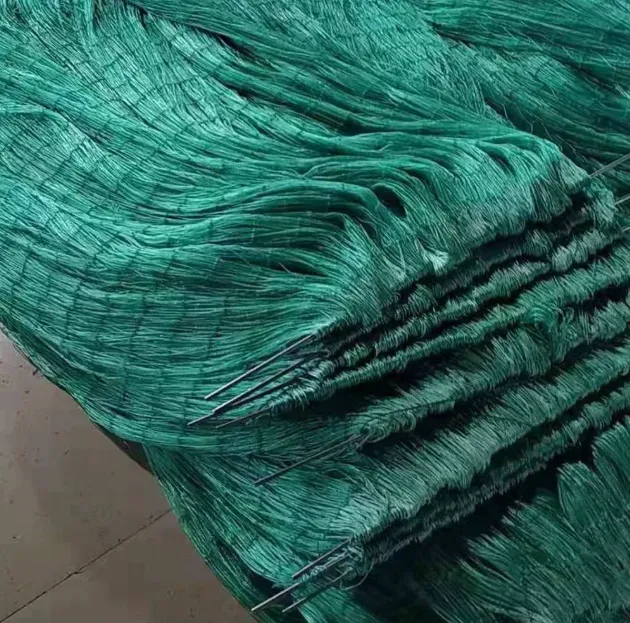
Nylon and polyester are both established synthetic materials used in industrial twine, yet they behave differently under various conditions. For buyers considering nylon multifilament twine, comparing these differences before ordering can prevent a material mismatch at the production stage.
Nylon multifilament twine consists of multiple fine nylon filaments combined into a twine structure. Its characteristics can include good strength, flexibility and abrasion-related performance, depending on the grade, construction and specification.
Polyester multifilament twine also uses multiple filaments but is produced from polyester. Polyester typically offers lower moisture absorption than nylon and can provide useful dimensional characteristics for appropriate applications.
The better choice depends on the intended use.
If flexibility and the particular mechanical behaviour of nylon are important, nylon multifilament twine may be appropriate. If lower moisture uptake and dimensional behaviour are priorities, polyester may deserve consideration.
A practical comparison should examine several factors rather than one property:
- Mechanical load
- Required flexibility
- Abrasion exposure
- Moisture conditions
- Dimensional requirements
- Operating temperature
- Chemical exposure
- Product construction
- Processing method
- Expected service life
For instance, an industrial product exposed to repeated mechanical movement may have different requirements from a product used primarily in wet conditions. Likewise, a net, cord or technical textile component can require a different balance of properties from general-purpose tying material.
The construction of the twine also matters. Number of filaments, twist, size and other manufacturing variables can change how a finished twine performs. Comparing only the base polymer does not provide the full picture.
Mumbai's manufacturing sector serves customers across engineering, textiles, packaging, marine-linked industries and numerous other markets. For procurement teams operating in Maharashtra, this variety makes application-specific sourcing particularly important.
When replacing an existing twine, buyers should avoid changing material based only on apparent similarity. A nylon product and a polyester product of similar dimensions may still respond differently during processing and use. Trial evaluation can therefore be useful when specifications change.
Asdos Industries manufactures synthetic yarn and twine products for industrial applications. Buyers evaluating nylon and polyester alternatives can communicate their processing conditions and end-use requirements before selecting a specification.
Cost should be evaluated alongside suitability rather than in isolation. A lower initial purchase price may provide little advantage if the material creates processing difficulties or fails to meet the intended product specification.
Ultimately, nylon multifilament twine and polyester twine serve different requirements. Defining the mechanical, environmental and processing conditions first allows purchasing teams to compare materials logically and select the option that aligns more closely with the finished product.
Keywords