Purchasing polyester multifilament twine for manufacturing or industrial use requires more than selecting a product by name. Twine specifications can affect processing, handling and finished-product performance, so procurement teams should establish their requirements before comparing suppliers.
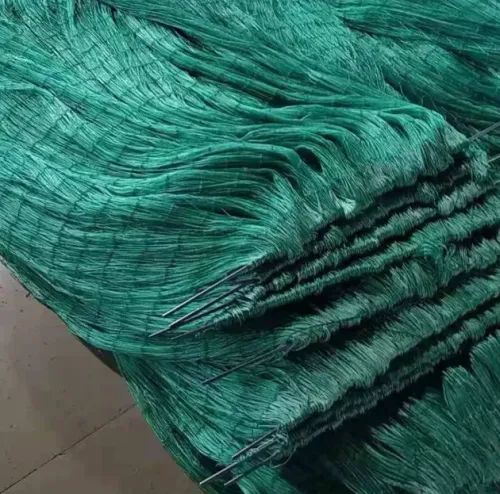
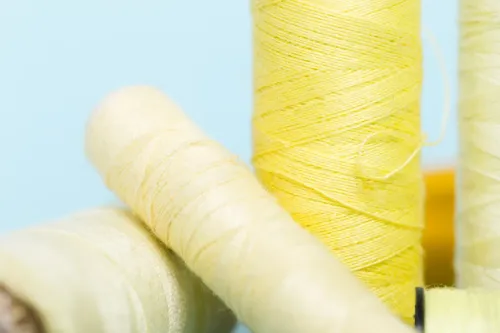
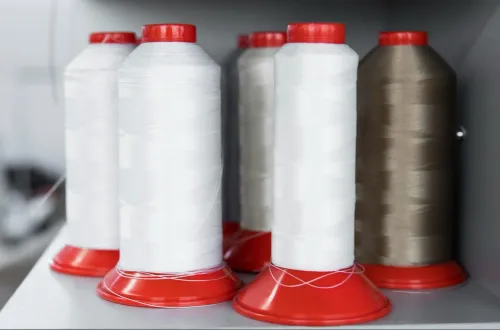
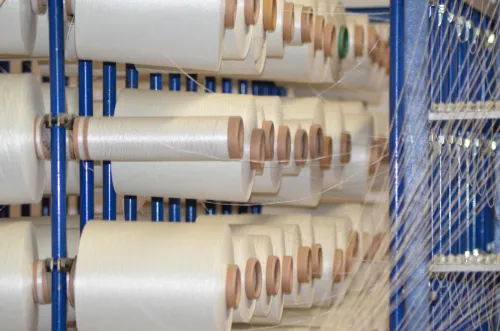
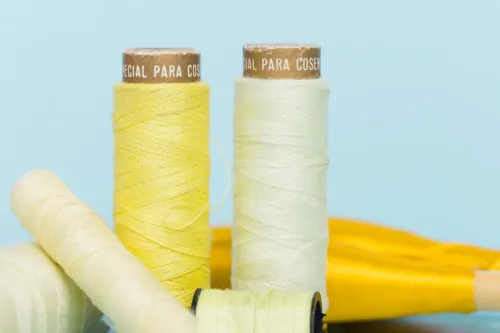
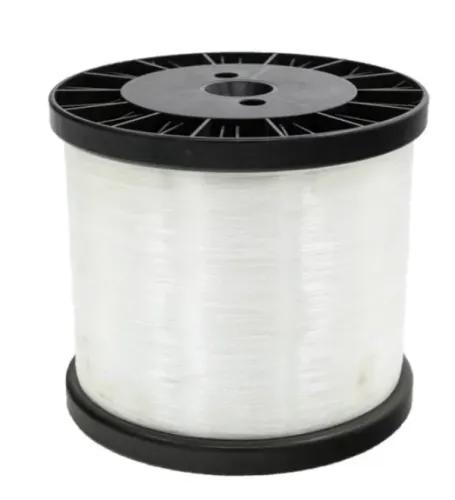
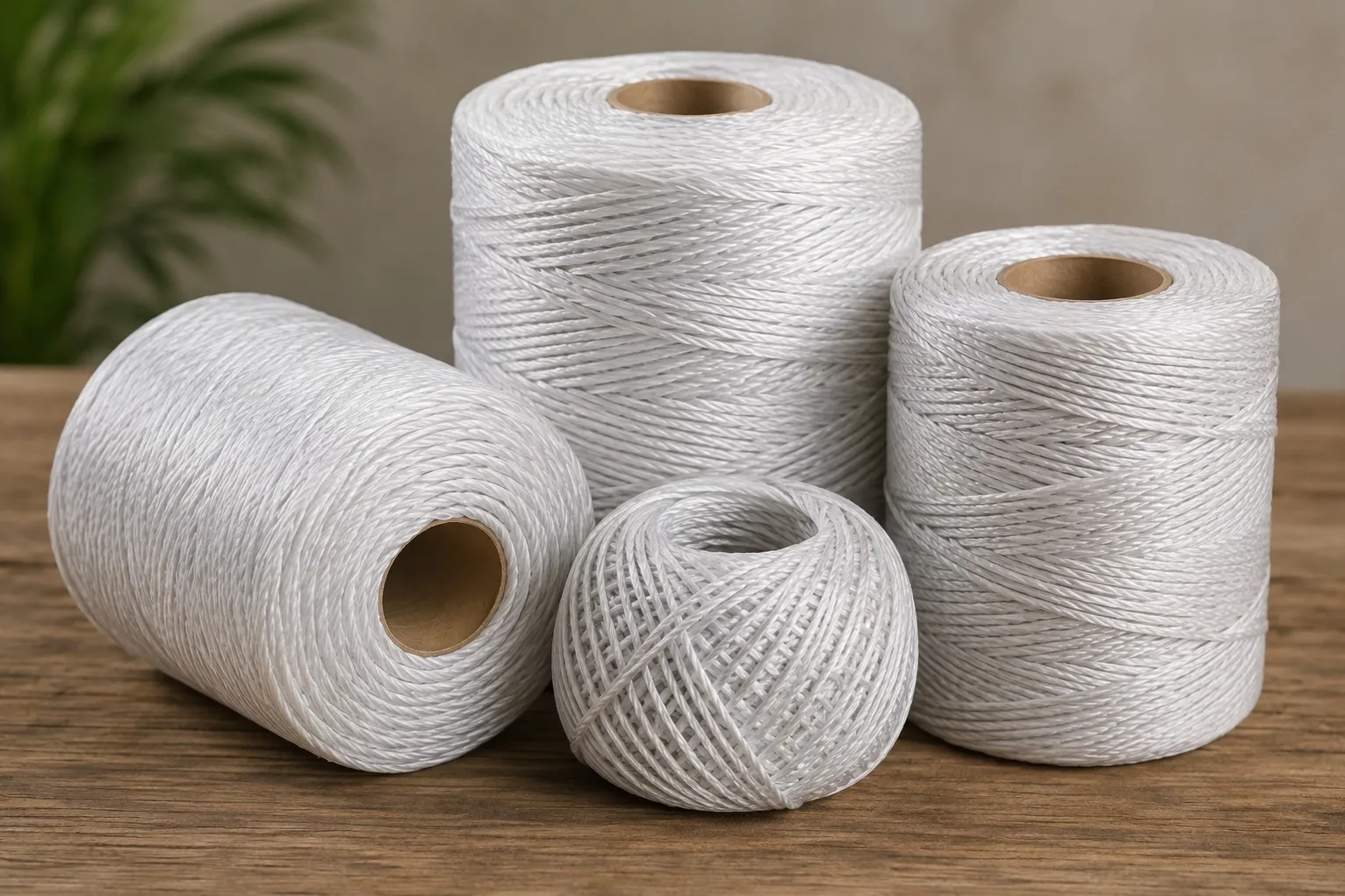
Polyester multifilament twine is made from multiple polyester filaments combined into a twine structure. This differs from monofilament products, which use a single filament. The multifilament construction influences flexibility, handling and other physical characteristics.
The first factor to establish is the application.
Twine used for netting, stitching, industrial fabrication or another technical purpose may require different specifications. A product that performs adequately in one application should not automatically be assumed suitable for another.
Buyers should then examine size and construction. Depending on the product, specifications may be expressed through diameter, denier or another relevant measurement. The supplier and purchaser should use an agreed specification so that repeat orders are easier to maintain.
Strength is another key consideration. Instead of choosing the strongest available option by default, buyers should determine the level of performance appropriate for the finished product and operating conditions. Overspecification can be as unnecessary as underspecification.
Other points worth discussing include:
- Twine construction
- Required size
- Tensile characteristics
- Elongation
- Colour requirements
- Surface or finish requirements
- End-use environment
- Processing compatibility
- Order volume
- Packaging preferences
Environmental conditions also matter. Polyester has relatively low moisture absorption compared with some other fibre types, which can be beneficial in appropriate applications. However, moisture is only one element of material selection. Abrasion, heat, chemicals and mechanical loading may also need consideration.
For Mumbai-based manufacturers, procurement planning can become especially important when materials support regular production schedules. Maharashtra has a broad industrial base, and businesses sourcing yarn and twine may need dependable repeat specifications rather than occasional spot purchases.
A sample or technical discussion can be valuable when a new product is being developed or an existing material is being replaced. Testing the selected specification under actual processing conditions provides more meaningful information than relying solely on a generic description.
Asdos Industries manufactures polyester multifilament twine along with other industrial yarn and twine products. Buyers can communicate their application, required construction and quantity to establish whether an available specification aligns with their manufacturing needs.
A good purchase decision therefore starts with a detailed requirement rather than price alone. When polyester multifilament twine is selected according to application, construction, strength, processing conditions and repeatability, manufacturers are better positioned to control both production efficiency and finished-product consistency.
Keywords