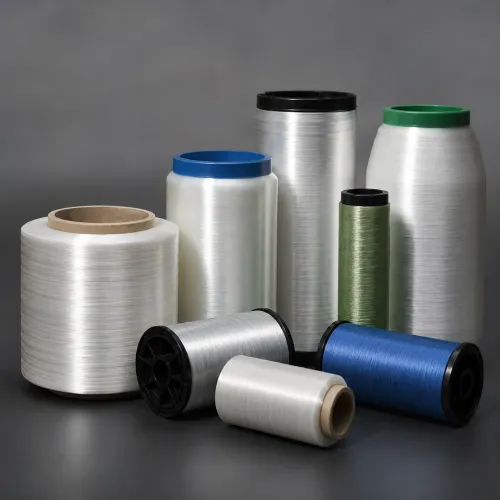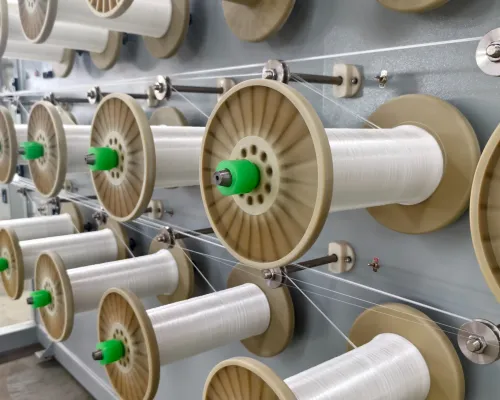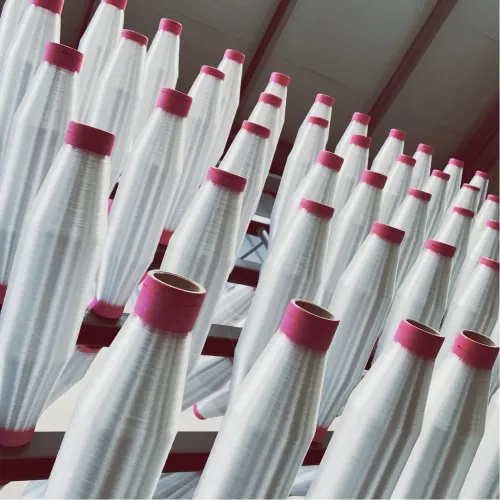

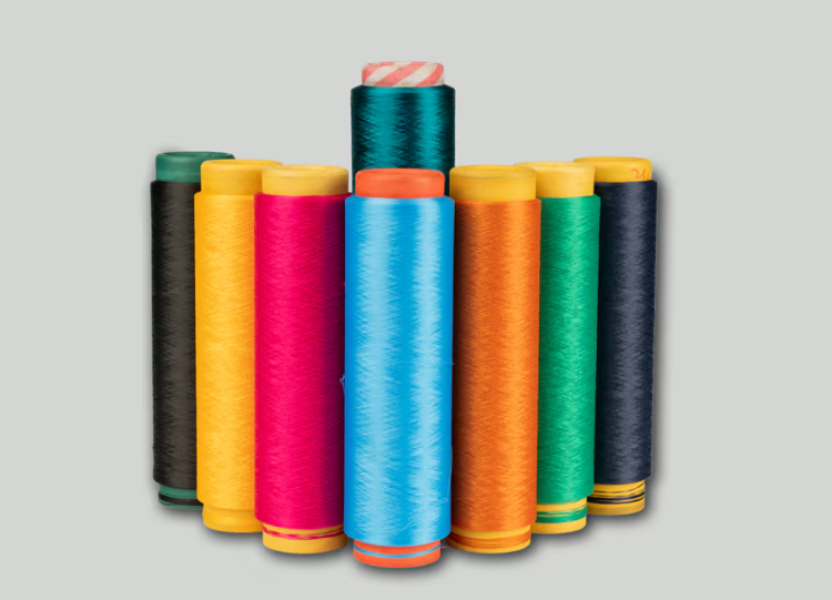
Finding an HDPE monofilament yarn manufacturer is not simply a matter of comparing prices and delivery promises. Yarn consistency directly affects weaving efficiency, mesh uniformity, breakage rates and the quality of the finished product. A manufacturer should therefore be evaluated on technical capability, specification control and suitability for the intended application.
Asdos Industries manufactures HDPE monofilament yarn for commercial and industrial users. Before approving a supplier, buyers should establish measurable requirements and confirm that the manufacturer can maintain them across repeat production batches.
Begin with a Complete Yarn Specification
“HDPE monofilament yarn” is a broad description rather than a complete purchasing specification. Two products carrying the same name may have different diameters, strengths, elongation levels and surface characteristics.
A clear enquiry should include:
- Intended end use
- Required filament diameter or linear density
- Diameter tolerance
- Breaking strength
- Elongation range
- Colour
- Surface finish
- UV-stabilisation requirement
- Spool size and winding format
- Monthly consumption
Providing these details allows the manufacturer to assess whether an existing product is suitable or whether application-specific development is required.
Evaluating an HDPE Monofilament Yarn Manufacturer in Mumbai
Local availability can make technical discussions, sampling and repeat procurement more manageable for manufacturers in Mumbai and nearby industrial regions of Maharashtra. Location alone, however, does not establish product suitability.
A dependable manufacturer should be able to explain how the proposed yarn matches the application. Buyers should ask whether the product is intended for weaving, knitting, net fabrication, filtration, brush manufacturing or another process.
Important supplier-selection questions include:
- Can the manufacturer control filament diameter within an agreed tolerance?
- Are tensile strength and elongation measured consistently?
- Is batch identification maintained?
- Can the required colour be reproduced across orders?
- Are suitable spool and package options available?
- Can samples be provided for production trials?
- How are complaints and technical deviations investigated?
- Can regular supply volumes be planned in advance?
Clear answers indicate that the supplier understands manufacturing requirements rather than treating yarn as an undifferentiated commodity.
Inspecting Sample Quality
Visual inspection is useful, but it cannot confirm every performance characteristic. The sample should first be checked for uniform colour, smooth winding, contamination, surface irregularities and package damage.
It should then be tested on the intended equipment. During the trial, record:
- Breakage frequency
- Machine speed
- Tension stability
- Ease of unwinding
- Mesh or fabric uniformity
- Waste generation
- Finished-product dimensions
The trial should continue long enough to assess performance at different package diameters. Testing a small quantity at reduced machine speed may not reveal problems that occur during regular production.
Look Beyond the Initial Quotation
The lowest purchase price does not always produce the lowest manufacturing cost. Yarn that creates repeated breaks, uneven fabric or excessive waste can reduce daily output and increase labour requirements.
Buyers should compare the total production impact, including material utilisation, downtime, rejection rate and consistency between batches. Reliable technical specifications can create more value than a marginal saving per kilogram.
Supply readiness is equally important. Before placing a large order, confirm production lead time, minimum order quantity, packaging method and dispatch planning. Manufacturers with recurring requirements should share forecasts where possible.
A capable supplier will also avoid recommending one standard yarn for every application. Differences in machinery, environmental exposure and finished-product design require specific evaluation.
For HDPE monofilament yarn aligned with your manufacturing process, contact Asdos Industries with the required diameter, tensile properties, colour, packaging and monthly volume. Arrange a production sample to assess compatibility before finalising regular supply in Mumbai.