
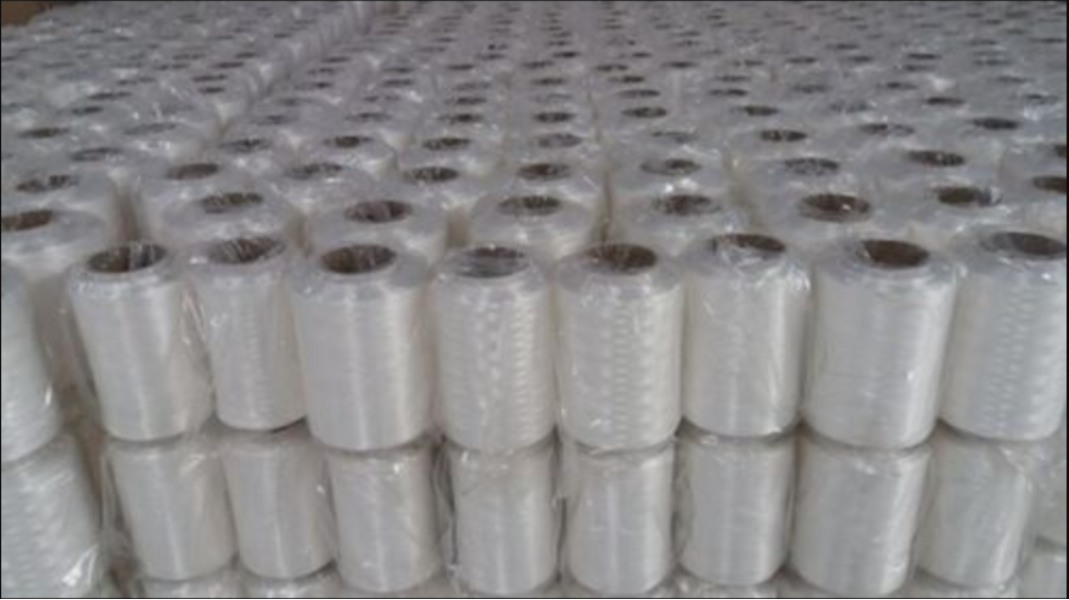
Unexpected breakage, inconsistent tension and uneven winding can slow production even when the raw material appears acceptable during visual inspection. With PP multifilament twine, these problems may result from an unsuitable specification, poor package handling, equipment settings or inconsistency in the twine construction.
Asdos Industries manufactures PP multifilament twine for commercial and industrial applications. Evaluating both the material and the production process can help buyers identify the real cause of interruptions instead of repeatedly adjusting machinery without a clear diagnosis.
Why PP Multifilament Twine Breaks During Processing
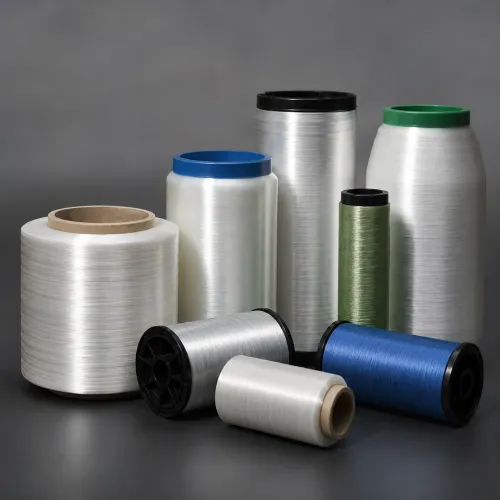
PP multifilament twine contains multiple fine polypropylene filaments combined into a larger yarn structure. Its lightweight construction and low moisture absorption make it suitable for netting, packaging, ropes, braids and general industrial fabrication.
Breakage can occur when the required working tension is too close to the twine’s breaking limit. It may also arise from damaged machine guides, sudden tension changes, poorly formed joints or an inconsistent twist.
Frequent causes include:
- Incorrect twine size for the application
- Excessive machine tension
- Abrasive or damaged guides
- Uneven package winding
- Twine contamination
- Inconsistent diameter
- Weak joints
- Poor package storage
- Misalignment during unwinding
Before rejecting an entire batch, manufacturers should record where and when the breaks occur. Repeated failure at the same machine position may indicate an equipment issue rather than a raw-material defect.
Troubleshooting PP Multifilament Twine in Mumbai
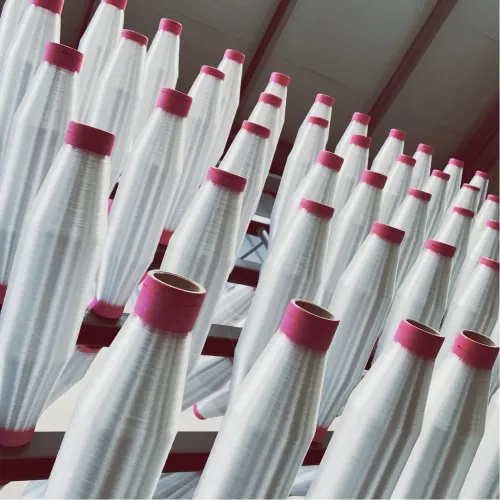
Production facilities in Mumbai should store PP twine packages away from direct sunlight, excessive heat, dust and physical damage. Polypropylene has low moisture absorption, but careless storage can still deform packages or contaminate their surfaces.
When breakage occurs, follow a structured inspection:
- Check the yarn path for sharp edges or worn guides.
- Compare machine tension with the approved production setting.
- Inspect the package for collapsed edges or crossed winding.
- Examine the break point for abrasion or sudden snapping.
- Test breaking strength from different areas of the package.
- Compare the affected batch with an approved reference sample.
- Run the material on another machine where practical.
This process helps separate material inconsistency from machine-related problems.
Improving Twine Unwinding and Output Quality
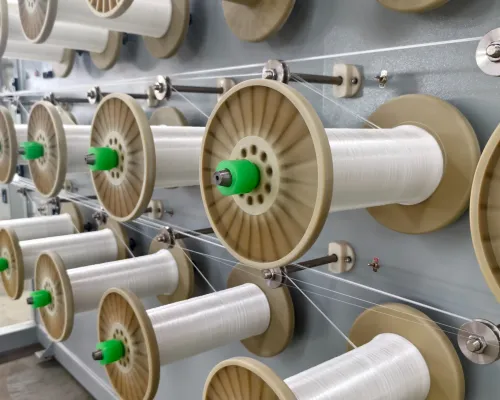
A well-wound package supports uniform tension throughout production. Loose winding may cause slippage, while excessively tight winding can deform the package and restrict smooth delivery.
The package size should also match the creel, spindle or unwinding system. Using an unsuitable spool can create unnecessary drag or allow the twine to leave the package at an unstable angle.
Operators should maintain consistent machine settings and avoid repeated adjustments without documentation. Recording the speed, tension, break frequency and package position provides useful information for future batches.
Incoming PP multifilament twine should be checked for:
- Correct product identification
- Package weight
- Diameter or linear density
- Ply construction
- Breaking strength
- Elongation
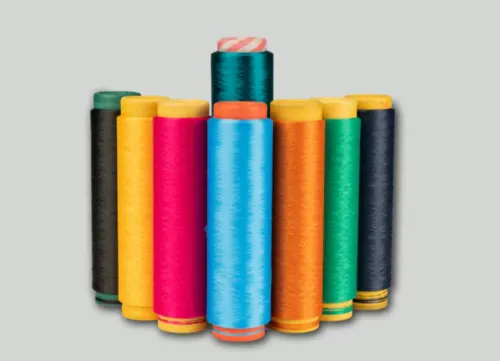
- Colour consistency
- Visible winding defects
Reducing Waste Through Better Specification Control
Some manufacturers order twine only by diameter or weight. This leaves important characteristics such as tensile strength, elongation, twist and package format undefined.
An approved technical specification should state measurable tolerances. It should also identify the intended application because a twine suitable for manual packaging may not perform reliably on high-speed braiding or net-making machinery.
Production trials should be long enough to reveal changes that occur as the package diameter reduces. Testing multiple packages from the same batch also provides a clearer picture of consistency.
If breakage or uneven output is affecting your production, speak with Asdos Industries about PP multifilament twine suited to your machinery and end use. Provide the current specification, machine details and observed issue to support a more focused product evaluation in Mumbai.