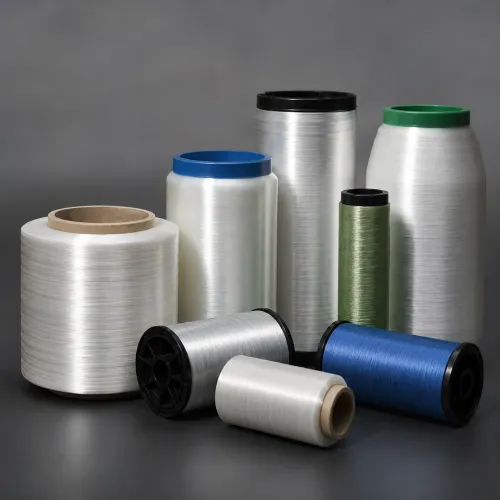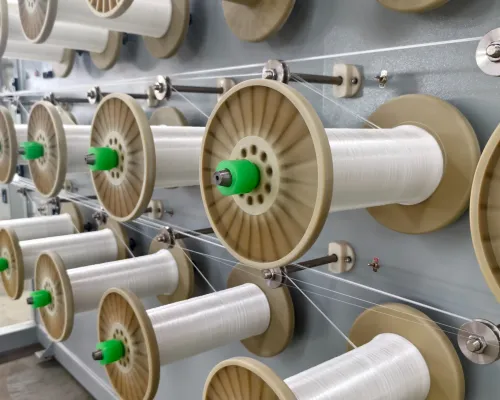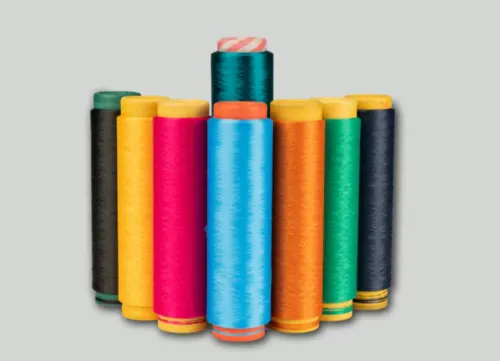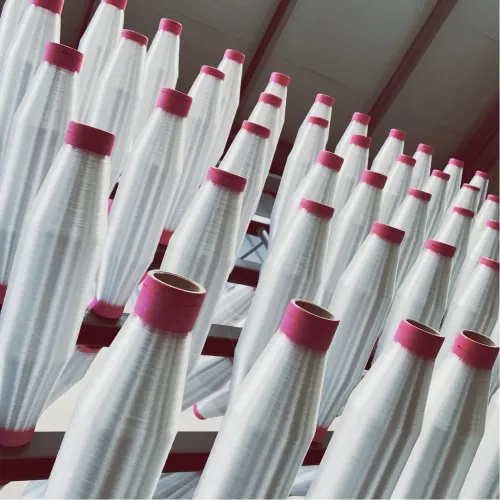
Choosing between nylon multifilament twine and polyester multifilament twine requires more than comparing two synthetic materials. Both can offer strength, flexibility and abrasion resistance, but they behave differently when exposed to stretching, moisture, repeated loading and demanding operating conditions.
Asdos Industries works with synthetic twine products for varied manufacturing requirements. Understanding how nylon and polyester differ can help buyers avoid material substitutions that affect knot stability, product dimensions or service performance.
Understanding Nylon Multifilament Twine
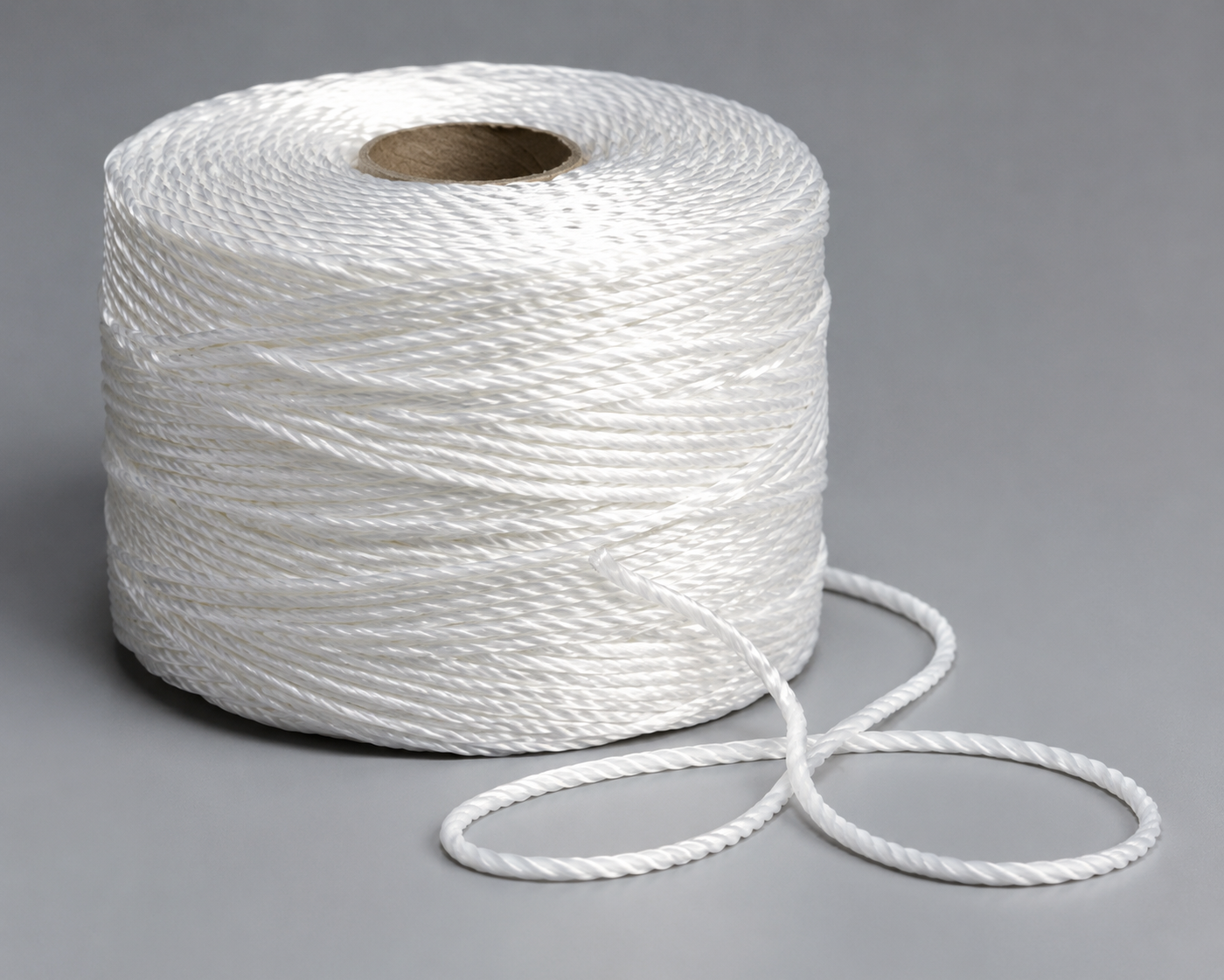
Nylon multifilament twine is constructed from multiple fine nylon filaments that are combined and twisted. The resulting material is flexible, tough and capable of absorbing a degree of shock through elongation.
It may be considered for:
- Fishing nets
- Sports nets
- Aquaculture products
- Braided cords
- Industrial stitching
- General-purpose cordage
- Applications involving repeated flexing
Nylon is valued for toughness and abrasion resistance. It generally stretches more than polyester and may absorb more moisture. These characteristics can be helpful in some applications but unsuitable in others.
Where impact or sudden loading is expected, a degree of elongation can reduce abrupt stress. Where precise dimensions must be maintained, the same stretch may need closer control.
How Polyester Multifilament Twine Behaves
Polyester multifilament twine normally provides lower stretch and greater dimensional stability than nylon. It also absorbs less moisture, helping it maintain more consistent behaviour across wet and dry conditions.
Polyester may suit:
- Technical textile fabrication
- Outdoor netting
- Packaging
- Industrial stitching
- Braided products
- Applications requiring controlled elongation
- Products exposed to recurring moisture
Neither material should be selected from general properties alone. Polymer grade, yarn construction, twist and finishing can change actual performance.
Nylon Multifilament Twine Selection in Mumbai
For buyers in Mumbai, local climate and end-use exposure can influence material selection. High humidity, monsoon conditions and proximity to marine environments make it important to evaluate how the twine responds to moisture and outdoor use.
Nylon may be appropriate when:
- Flexibility is a priority
- Shock absorption is beneficial
- The product experiences repeated bending
- Toughness and abrasion performance are important
- Some elongation can be accommodated
Polyester may be preferable when:
- Lower stretch is needed
- Dimensional stability is critical
- Moisture exposure is frequent
- Consistent wet and dry performance is required
- The product must hold its shape under sustained tension
Applications involving prolonged sunlight exposure should use a suitably formulated and tested product. UV resistance should never be assumed solely because the material is synthetic.
Questions to Ask Before Ordering
A useful supplier discussion should cover the following points:
- What load will the finished product carry?
- Is stretching acceptable during use?
- Will the twine remain outdoors?
- Will it be exposed to fresh water, salt water or chemicals?
- Is knot retention important?
- What diameter and breaking strength are required?
- Will it run through automated equipment?
- What package format fits the production line?
Sample testing provides the most dependable basis for selection. Test the twine for breakage, elongation, knot performance, abrasion and compatibility with the actual fabrication method.
Price should be assessed against usable output and finished-product performance. A less expensive twine can become costly if it causes excessive breaks, dimensional variation or rejected production.
To compare nylon and polyester multifilament twine for your application, contact Asdos Industries with details of the intended use, operating environment and technical requirements. The company can help identify an appropriate construction for manufacturing operations in Mumbai and across Maharashtra.