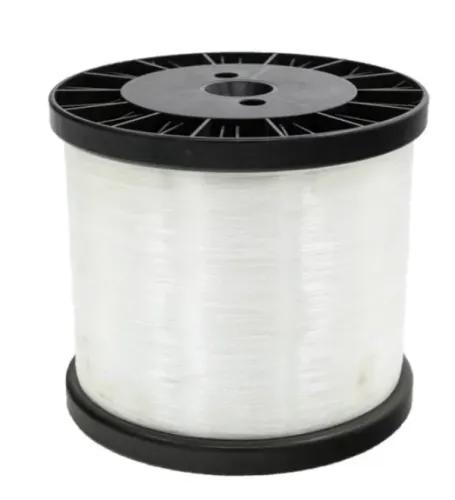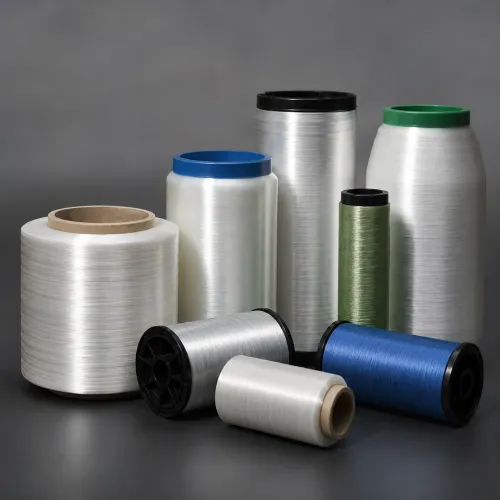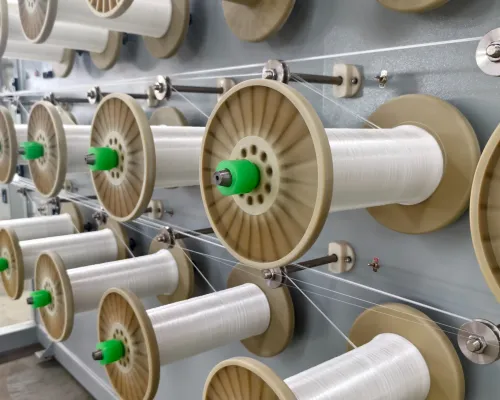

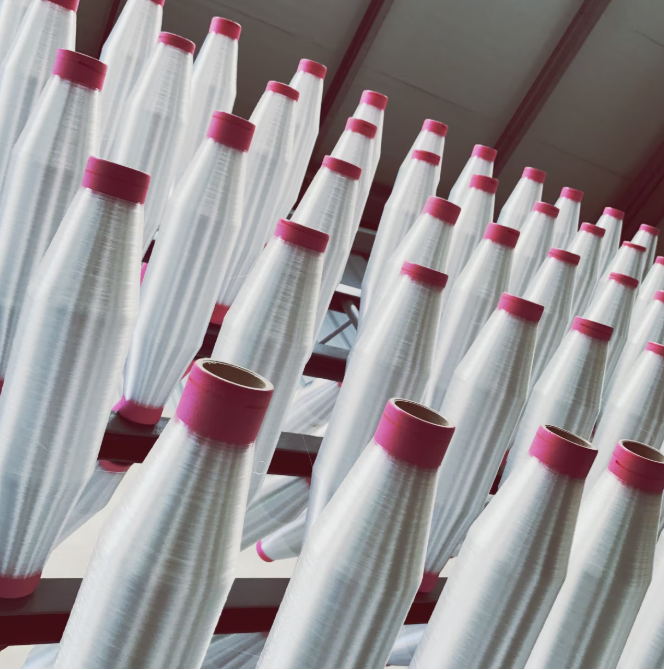
PP monofilament yarn is a continuous single-filament yarn produced from polypropylene. It is commonly selected for technical textiles, mesh products, industrial fabrics, filtration components and other applications where low weight, moisture resistance and controlled strand dimensions are important.
For manufacturers in Mumbai, the suitability of PP monofilament yarn depends on more than its price or appearance. The grade of polypropylene, filament diameter, tensile properties, additives and winding quality all affect processing efficiency and the performance of the finished product.
How PP Monofilament Differs from Multifilament Yarn
A monofilament yarn consists of one comparatively thicker continuous filament. Multifilament yarn contains multiple finer filaments assembled into a single yarn structure.
The smooth, single-strand construction of PP monofilament can offer:
- Clearly defined mesh openings
- Lower moisture absorption
- Relatively easy surface cleaning
- Consistent diameter when properly manufactured
- Controlled stiffness for specific fabric structures
- Reduced fibre shedding compared with some multi-filament constructions
Multifilament yarn tends to be softer and more flexible because it contains numerous fine filaments. Neither structure is universally better. The correct choice depends on whether the finished product requires smoothness and dimensional definition or softness and greater surface coverage.
Where PP Monofilament Yarn Is Used
PP monofilament yarn is used in several woven and knitted products. In filtration and screening fabrics, a uniform filament diameter helps manufacturers create more consistent mesh structures. The final filtration performance, however, also depends on weave pattern, mesh count and finishing.
Agricultural and horticultural products represent another application area. The yarn may be converted into mesh fabrics used for crop support, protection or controlled shading, depending on the product design.
Other applications can include:
- Industrial filter fabrics
- Insect and ventilation mesh
- Protective netting
- Geotextile-related structures
- Packaging mesh
- Carpet backing and technical fabrics
- Aquaculture and general-purpose nets
- Woven screening materials
A yarn intended for indoor filtration cannot automatically be treated as suitable for long-term outdoor exposure. Outdoor products may need UV stabilisers, suitable pigmentation and application-specific testing.
Key Properties Buyers Should Evaluate
Diameter consistency is critical because irregular filament thickness can affect weaving tension, mesh uniformity and fabric appearance. Buyers should request an acceptable tolerance range rather than relying solely on a nominal diameter.
Tensile strength determines how much pulling force the yarn can tolerate before breaking. Elongation indicates how far it can extend under load. These properties need to suit both the manufacturing process and the final operating conditions.
Other useful evaluation points are:
- Raw material grade
- Linear density
- Breaking load
- Elongation
- Shrinkage behaviour
- Surface finish
- Colour and additive requirements
- Winding pattern
- Package dimensions
- Batch-to-batch consistency
Processing trials are particularly useful when a manufacturer is changing suppliers, introducing a new mesh design or running the yarn on high-speed machinery.
Considerations for Mumbai Manufacturers
Mumbai’s humid coastal environment makes proper storage important. Although polypropylene has low moisture absorption, yarn packages should still be kept clean, dry and protected from excessive heat, dust and direct sunlight. Damaged packaging can introduce contamination or disrupt smooth unwinding on production equipment.
Local buyers should also calculate consumption based on the finished fabric construction rather than comparing quotations only by package weight. A low-cost yarn that produces frequent breaks, uneven mesh or excessive waste can increase the effective production cost.
Asdos Industries supplies monofilament and twine products for industrial processing requirements. When enquiring about PP monofilament yarn, manufacturers should provide the intended application, required filament size, colour, strength parameters, monthly quantity and machinery details. A clearly defined specification makes sampling, testing and repeat procurement more reliable.