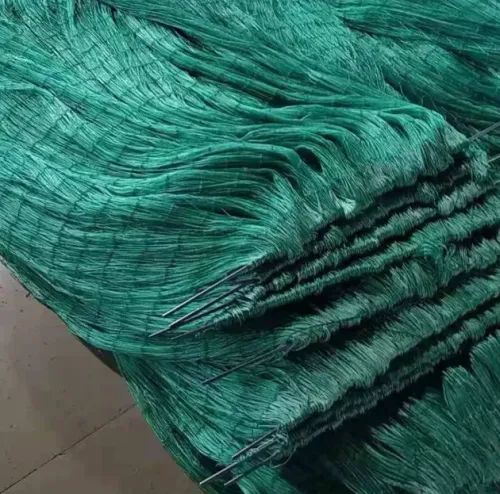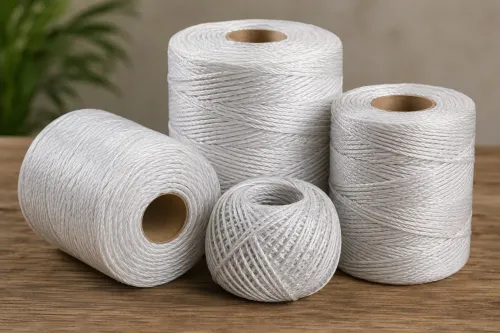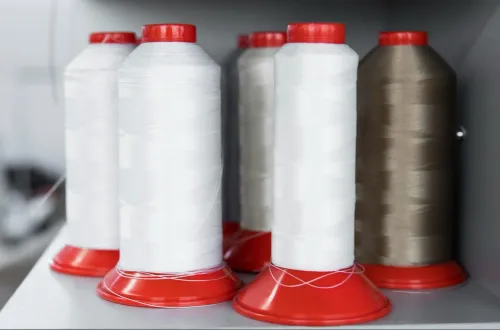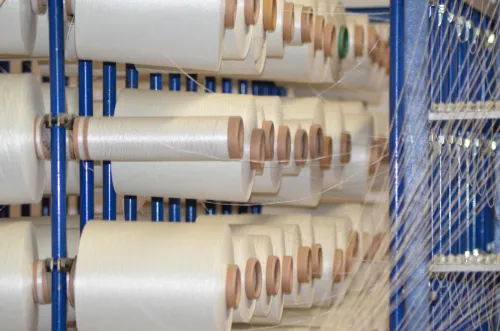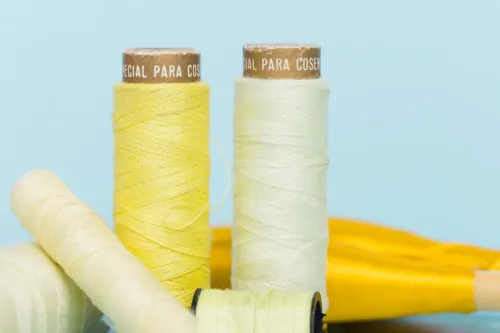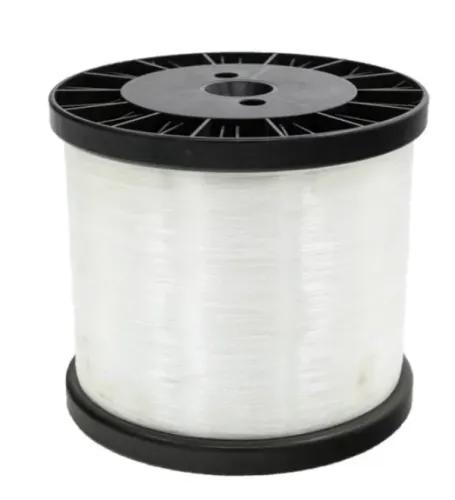
Twine may appear to be a simple industrial product, but its performance depends on material, construction and intended application. HDPE twine is manufactured from high-density polyethylene and is used across applications where lightweight handling, moisture resistance and practical durability are valuable.
For buyers in Mumbai and across Maharashtra, HDPE twine can be relevant to businesses involved in netting, agriculture, fishing-related products, packaging and other industrial activities.
One reason for its broad usability is HDPE's low water absorption. Products used around moisture or in humid environments need materials selected with those conditions in mind. This characteristic can be particularly relevant in Mumbai's coastal environment and for products intended for outdoor or water-associated applications.
Common application areas may include:
- Fishing and net-related products
- Agricultural applications
- General-purpose tying
- Packaging and bundling
- Protective net structures
- Industrial netting
- Selected outdoor applications
The suitability of a particular twine still depends on its specifications. Thickness, construction, tensile characteristics and intended load should all be assessed before use.
In fishing-related applications, for example, exposure to water makes moisture behaviour important, but strength and construction are equally significant. Agricultural users may be more concerned with handling, outdoor exposure and suitability for netting or tying operations. Packaging users may prioritise consistency and ease of handling.
This is why buying twine purely by visual appearance can create problems. Two products that look similar may have different dimensions, construction methods or physical performance.
Industrial buyers can improve specification accuracy by identifying:
- The actual application
- Required twine size
- Expected mechanical demand
- Exposure to water or weather
- Required colour, if applicable
- Packaging and quantity requirements
- Whether the requirement is recurring or project-specific
For manufacturing businesses, consistency across batches can also be important. If twine is integrated into another product, variations may affect production or the characteristics of the finished item. Maintaining documented purchasing specifications helps reduce these inconsistencies.
Asdos Industries manufactures HDPE twine and related yarn products for different industrial requirements. Businesses sourcing from Mumbai can discuss application details and required specifications before placing repeat or volume requirements.
Material selection should always correspond to the conditions in which the twine will actually be used. A lightweight tying requirement is different from a demanding netting application, even when both use HDPE.
By assessing size, construction, strength requirements, moisture exposure and end use together, buyers can select HDPE twine more systematically. This practical approach supports both procurement efficiency and more consistent product performance across industrial and commercial applications.
Keywords